Are you eager to enhance your spiritual growth? A Bible Reading Plan is an effective way to dive deeper into God’s Word. By following a structured approach, you can gain richer insights and foster a more intimate relationship with your faith. This guide explores various methods of Bible reading plans that can cater to your schedule and spiritual needs.
Understanding the Benefits of a Bible Reading Plan
A Bible Reading Plan is a structured guide that helps individuals read the Bible consistently and comprehensively. This practice brings numerous benefits to one’s spiritual journey.
Consistency: Following a plan encourages you to read regularly, helping to build a habit of daily scripture engagement.
Comprehensive Understanding: A structured plan often covers various sections of the Bible, ensuring you don’t miss out on important teachings.
Personal Reflection: Regular reading provides opportunities for personal reflection and meditation on the word of God.
Growth in Faith: Consistent reading can lead to deeper understanding and growth in faith, providing encouragement and guidance.
Connection to Community: Many Bible Reading Plans are designed to be followed in groups or with friends, fostering community and discussion.
Different Types of Bible Reading Plans
When choosing a Bible Reading Plan, understanding the options available can help you select one that fits your life best. Here are some popular types:
Chronological Plan: This plan arranges the Bible’s events in the order they occurred, providing a sequential narrative.
Topical Plan: Focuses on specific themes or topics, ideal for those who want to dive deeper into a particular area of faith.
Daily Devotionals: These often include scripture passages alongside daily reflections or meditations to enhance your reading experience.
Books of the Bible Plan: This allows readers to focus on one book at a time, promoting thorough understanding of that text.
Habits-based Plans: Such plans may encourage reading for a set amount of time each day rather than a specific number of chapters.
How to Choose the Right Plan for You
Choosing the right Bible Reading Plan is essential for success in your spiritual walk. Consider these factors:
Your Goals: Identify what you want to achieve with your reading. Is it to gain knowledge, depth, or a specific focus?
Your Schedule: Be realistic about the time you can dedicate. Choose a plan that fits into your daily routine.
Study Preferences: Think about whether you prefer depth through detailed study or breadth through broader readings.
Community Involvement: Assess if you’d benefit from a plan that you can share with a friend or a group, enhancing accountability.
Spiritual Growth: Ensure the plan aligns with your spiritual maturity and challenges you to grow further.
Tips for Staying Committed to Your Reading Plan
Commitment to your Bible Reading Plan can sometimes wane. Here are strategies to help you stay on track:
Set Reminders: Use alarms or calendar reminders to encourage consistent reading each day.
Track Your Progress: Utilize a journal or app to log your readings and reflect on your journey.
Find a Reading Buddy: Partner with someone to share insights and keep each other accountable.
Create a Routine: Establish a specific time and place for reading to encourage consistency.
Be Flexible: If you miss a day, don’t be discouraged. Adjust your plan rather than abandon it.
Incorporating Prayer with Your Reading
Combining prayer with your Bible reading can deepen your experience and understanding. Here’s how:
Begin with Prayer: Start your reading session with a prayer, asking for understanding and insight.
Reflect During Reading: Pause regularly to ask God how the reading applies to your life.
Close with Prayer: Conclude with a prayer of thanks, focusing on what you’ve learned.
Use Scripture in Prayer: Incorporate verses into your prayers, making them more personal and powerful.
Pray for Others: Consider how what you read can be a tool for praying for friends and family.
Utilizing Technology for Bible Reading
Technology offers various resources that can enhance your Bible reading experience:
Bible Apps: Many apps offer reading plans, daily verses, and audio readings for convenience.
Online Communities: Join forums or social media groups for discussions and mutual encouragement.
Blogs and Podcasts: Explore online content that provides insights and different interpretations of scripture.
Video Resources: Utilize platforms like YouTube for teaching videos that expand your understanding of biblical texts.
Digital Journals: Keep an online journal to note insights and thoughts during your reading.
Creating a Community Around Bible Reading
A supportive community can be instrumental in your Bible reading journey. Consider these options:
Join a Local Bible Study: Engage with others in person for shared learning and discussion.
Online Bible Reading Groups: Participate in virtual groups where you can connect with believers worldwide.
Social Media Engagement: Share insights on platforms like Facebook or Instagram to create a conversation.
Accountability Partners: Pair with someone who can keep you focused and encourage your reading commitment.
Host a Family Reading Night: Encourage your family to read the Bible together with discussions after.
Tracking Your Progress Effectively
Keeping track of your Bible reading can motivate you and provide a sense of accomplishment. Here are ideas for effective tracking:
Reading Journal: Maintain a journal where you log chapters read and personal reflections.
Apps with Progress Features: Use Bible apps that allow you to mark readings as complete and show milestones.
Weekly Check-ins: Set a weekly time to review how much you’ve read and what you’ve learned.
Visual Aids: Consider using charts or calendars where you can mark off completed days.
Share Your Progress: Tell your community about your accomplishments to receive encouragement and support.
Common Challenges and How to Overcome Them
Even the best plans can have obstacles. Recognizing common challenges can help you overcome them:
Lack of Time: Prioritize your reading; even short sessions count and can be intentional.
Distractions: Find a quiet space where you can focus solely on reading without interruptions.
Understanding Difficult Passages: Use commentaries or guided resources to help clarify tough sections.
Losing Motivation: Mix in different reading plans or styles to keep it fresh and engaging.
Feeling Overwhelmed: Remember, it’s okay to take breaks. The goal is growth, not pressure.
Celebrating Your Achievements in Bible Reading
Each step in your Bible reading journey is an accomplishment. Celebrate these moments to encourage continuation:
Set Milestones: Identify key milestones (like completing a book) and celebrate them.
Share Your Journey: Talk about your reading experience with friends or in community groups to reflect on your growth.
Reward Yourself: Treat yourself for sticking with your reading plan, reinforcing the positive habit.
Reflect on Growth: Regularly assess and acknowledge how your understanding and faith have grown through reading.
Document Your Journey: Keep a record of your learnings and experiences to look back on and see how far you’ve come.
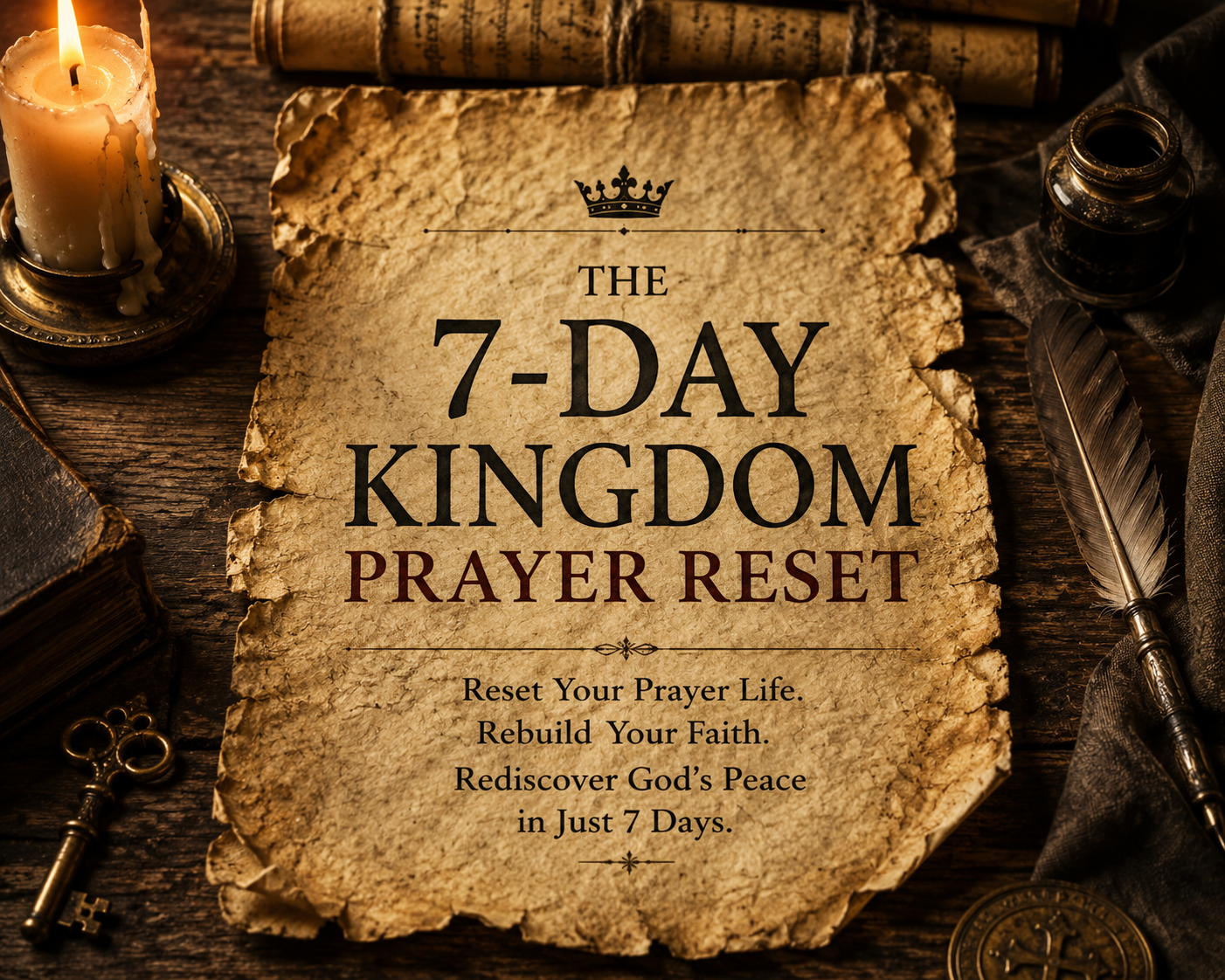
Still praying... but feeling spiritually stuck?
Thousands of Christians have renewed their prayer life through the
7-Day Prayer Reset—a simple, Scripture-based journey
designed to help you reconnect with God in just a few minutes each day.