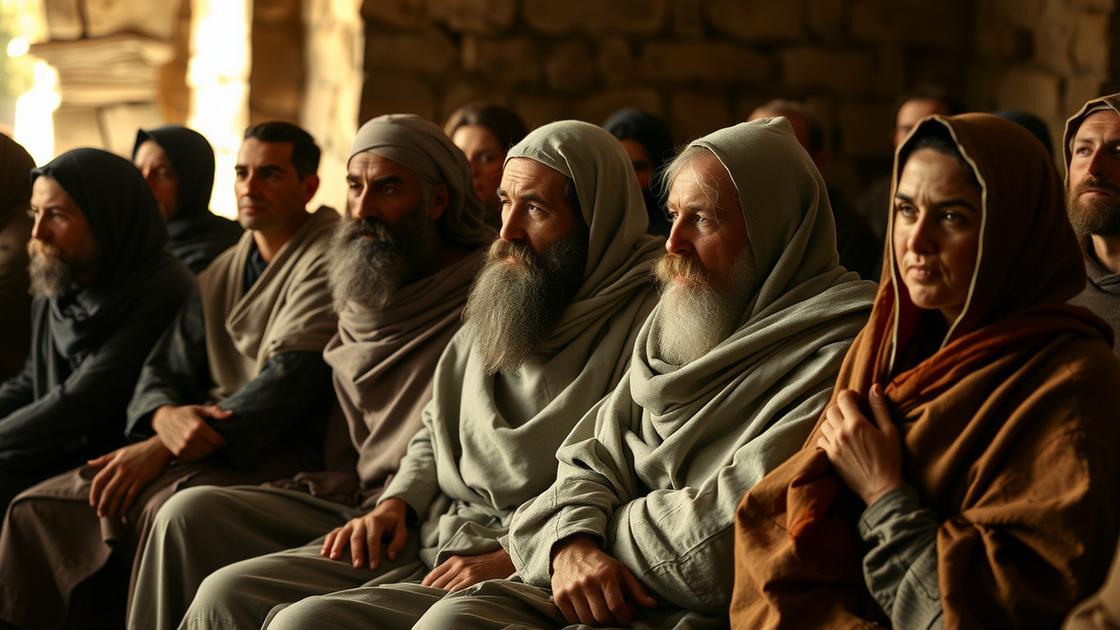
Have you ever wondered about the lives of the heroes and heroines in the Bible? In this article, we will delve into Bible characters explained to uncover their stories, struggles, and lessons. From David’s bravery to Esther’s courage, these figures hold significant lessons for us today.
Moses is one of the most significant figures in the Bible. His story is a journey of faith, leadership, and redemption. Born in Egypt, Moses was raised in Pharaoh’s household but was aware of his Hebrew roots. He fled Egypt after killing an Egyptian who was beating a Hebrew slave. This act of bravery led him to become a shepherd in Midian.
Moses’ life changed dramatically when God appeared to him in a burning bush. God commanded him to return to Egypt and lead the Israelites out of slavery. Despite his initial hesitations and feelings of inadequacy, Moses accepted this divine mission. His journey back to Egypt was filled with challenges, including confronting Pharaoh and enduring ten plagues that struck the land.
One of Moses’ most notable achievements was leading the Israelites through the Red Sea, demonstrating his faith in God’s power. This miraculous event is a testament to his leadership and unwavering belief. After the exodus from Egypt, Moses received the Ten Commandments on Mount Sinai, providing moral guidelines for the Israelites.
Throughout his life, Moses faced numerous obstacles, including rebellion among the Israelites and his struggle to lead a stubborn people. However, he remained faithful to God’s calling. Moses is often remembered as a prophet, lawgiver, and leader who shaped the identity of the Israelite people.
The Faith of Abraham: A Model for Believers
Abraham, originally named Abram, is celebrated as the father of faith in the Bible. His story begins in Genesis, where God calls him to leave his homeland and promises to make him the father of many nations. Abraham’s faith was tested repeatedly, and each time he demonstrated unwavering trust in God.
One significant moment in Abraham’s life was when God promised him a son, Isaac, despite his old age and Sarah’s barrenness. This promise seemed impossible, yet Abraham believed. His faith was rewarded when Isaac was born, showcasing the power of God’s promises.
Abraham’s faith was further tested when God commanded him to sacrifice Isaac. Without hesitation, Abraham took his son to the altar, demonstrating his complete trust in God’s plan. This act of obedience highlighted Abraham’s deep faith, which is a model for believers today. God intervened at the last moment, providing a ram as a substitute for Isaac. This event illustrates God’s provision and faithfulness.
The covenant made with Abraham established a relationship between God and His people, and it remains central to the biblical narrative. Abraham’s life serves as a profound example of faith, loyalty, and God’s grace.
Ruth: A Story of Loyalty and Redemption
The Book of Ruth tells a touching story of loyalty amid hardship. Ruth, a Moabite woman, chose to stay with her mother-in-law, Naomi, after both their husbands died. Ruth’s decision to remain with Naomi was marked by her famous words: “Where you go, I will go; where you stay, I will stay. Your people will be my people, and your God my God.” This declaration reflects her commitment and love.
Ruth’s loyalty brought her to Bethlehem, where she worked tirelessly to provide for Naomi and herself by gleaning in the fields. Her dedication did not go unnoticed. Boaz, a relative of Naomi, recognized Ruth’s hard work and character. He showed kindness to her, ensuring she had enough to eat and offering protection while she gleaned.
This relationship blossomed into love, and Ruth eventually married Boaz, securing her and Naomi’s future. Through Ruth’s story, we see themes of loyalty, love, and God’s providence. Her inclusion in the lineage of Jesus highlights the importance of faith and loyalty, even under difficult circumstances.
Prophet Isaiah: His Vision and Message
Isaiah is one of the major prophets in the Bible, known for his profound visions and messages. He prophesied during a tumultuous time in Israel’s history, warning the people of impending judgment due to their disobedience to God. Yet, Isaiah also delivered messages of hope and redemption, emphasizing God’s mercy.
His most famous vision starts with the call found in Isaiah 6, where he sees the Lord seated on a throne, surrounded by seraphim. He recognizes his unworthiness and is cleansed by a coal taken from the altar. God then commissions him to speak to the people, showing the balance of judgment and hope in his prophetic ministry.
Isaiah’s teachings include the coming of the Messiah, which is seen as a beacon of hope for the Israelites and humanity. His prophecies about the suffering servant—interpreted as Jesus—foretell the redemptive nature of God’s plan for salvation. Isaiah’s legacy is that of a prophet who portrayed God’s holiness and love, urging people to return to Him.
The Wisdom of Solomon: Lessons from a King
Solomon, son of David, is renowned for his wisdom. His request for wisdom from God instead of riches or a long life illustrates his desire to lead Israel justly. This request pleased God, who granted him unparalleled wisdom.
Under Solomon’s reign, Israel experienced a golden age marked by peace and prosperity. His wisdom attracted visitors from far and wide, including the Queen of Sheba, who came to test his knowledge. Solomon’s ability to make wise decisions, as seen in the famous case of the two women claiming to be the mother of a child, showed the depth of his understanding.
However, Solomon’s later years serve as a cautionary tale. Despite his wisdom, he fell into the trap of idolatry, influenced by his foreign wives. His story reminds us that wisdom must be accompanied by obedience to God, showing that insight without action can lead to downfall.
Mary Magdalene: Beyond the Scandal
Mary Magdalene is often mischaracterized, yet she plays a crucial role in the New Testament. She is introduced as a woman from whom Jesus cast out seven demons, symbolizing profound transformation and redemption. Her story is one of recovery and grace.
Mary’s loyalty to Jesus is evident; she was present during His crucifixion and was the first to witness His resurrection. In John 20, Jesus appeared to her first, commissioning her to tell the disciples about His resurrection. This moment highlights her importance in the early Christian community.
Her life challenges societal norms regarding women and spirituality. Mary’s unwavering faith and devotion exemplify the transformative power of Jesus. Through her, we learn about forgiveness, loyalty, and the impact of faith in overcoming personal struggles.
Peter: The Rock of the Church
Peter, originally named Simon, was a fisherman chosen by Jesus to be a disciple. His impulsive nature and fervent love for Jesus led him to pivotal moments in the New Testament. Jesus renamed him Peter, meaning “rock,” signifying the foundational role he would play in establishing the church.
Peter is known for his moments of both triumph and failure. He famously walked on water towards Jesus but faltered in fear. His denial of Jesus during the trial is another vital moment, illustrating human weakness and the need for grace.
After the resurrection, Jesus reinstated Peter with a powerful commission: “Feed my sheep.” This moment marked Peter’s transformation. He became a bold leader, preaching at Pentecost and playing a crucial role in the early church’s expansion. His letters in the New Testament offer guidance and encouragement to believers, highlighting the path from failure to redemption and the importance of steadfast faith.
Paul’s Transformation: From Persecutor to Apostle
Paul, originally known as Saul, was a fervent persecutor of Christians. His life changed dramatically on the road to Damascus when he encountered the risen Christ. Blinded by the light, he heard Jesus ask, “Why are you persecuting me?” This moment of conversion is one of the most significant in Christian history.
After regaining his sight, Paul dedicated his life to spreading the gospel. His missionary journeys took him across the Roman Empire, establishing churches and strengthening believers. Paul’s letters, which form a substantial part of the New Testament, address various issues within the early church, providing theological insights and practical guidance.
Paul’s transformation exemplifies the power of grace and God’s ability to redeem even the most unlikely candidates. His dedication and fervor for the gospel serve as an inspiration for believers, emphasizing that anyone can be transformed and used for God’s glory.
The Role of Deborah: A Leader in Times of Crisis
Deborah stands out as one of the few female leaders in the Bible. As a prophetess and judge, she offered wisdom and guidance to the Israelites during a time of oppression. Her story, found in the Book of Judges, illustrates her strength and leadership in a male-dominated society.
During a time of crisis when Israel was under attack by the Canaanite king Jabin, Deborah summoned Barak to lead an army against their oppressors. She boldly declared that God would deliver the enemy into their hands. Barak hesitated, requesting that Deborah accompany him, which she did, exemplifying her faith and bravery.
Deborah’s role emphasizes the significance of women in spiritual leadership and courage in challenging situations. Her song, celebrating the victory over Sisera, showcases her prophetic gifts and serves as a reminder of God’s faithfulness and power in delivering His people.
Jesus: The Central Figure of the Bible
Jesus Christ is the central figure in the Bible, embodying God’s love and redemption plan for humanity. His life, teachings, death, and resurrection represent the culmination of the biblical narrative. Born in Bethlehem, Jesus’ humble beginnings foreshadow His mission to seek and save the lost.
Throughout His ministry, Jesus demonstrated compassion, healing the sick, feeding the hungry, and teaching the Kingdom of God. His parables revealed deep spiritual truths, inviting people to a new understanding of God’s nature. Jesus challenged societal norms and religious practices, emphasizing love, grace, and forgiveness.
The climax of His story is found in the crucifixion and resurrection. Jesus’ sacrificial death paid the penalty for sin, and His resurrection confirmed His victory over death. This act of love offers hope and salvation to all who believe.
As the central figure of the Bible, Jesus invites us into a relationship with Him, bridging the gap between a holy God and sinful humanity. His example of love, humility, and service inspires believers to follow His path, living out the gospel in their daily lives.
Still praying... but feeling spiritually stuck?
Thousands of Christians have renewed their prayer life through the
7-Day Prayer Reset—a simple, Scripture-based journey
designed to help you reconnect with God in just a few minutes each day.