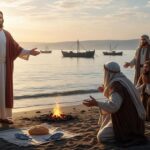
The Book of Acts Bible Study is an essential exploration of the growth and challenges faced by the early church. As you delve into this scriptural narrative, you’ll discover vital lessons on faith, community, and perseverance. This study not only brings the historical events to life but also provides practical applications for today’s believers. Join us on this enlightening journey through Acts to uncover the vibrant story of the apostles and their mission.
The Book of Acts, often simply referred to as Acts, is an essential text in the New Testament of the Bible. It was written by Luke, the same author as the Gospel of Luke. Acts provides a historical narrative about the early Christian church following the ascension of Jesus. Understanding its historical context can deepen our comprehension of its message.
Acts was composed during a time of significant change and growth for the Christian faith, likely around 80-90 AD. The Roman Empire was expansive, and the church was beginning to establish itself within this vast political structure. The text reflects the challenges and triumphs of the apostles as they spread the message of Jesus Christ to diverse populations.
Key events highlighted in Acts, such as the Pentecost, the spread of the Gospel to Gentiles, and the missionary journeys of Paul, illustrate both the challenges faced and the power of faith during this era. Moreover, Luke’s emphasis on the role of the Holy Spirit in guiding believers demonstrates an active divine presence in the formation of the church.
Key Figures in the Early Church
The Book of Acts details the lives and contributions of several influential figures in the early church:
Peter: Initially a fisherman, Peter became a leading apostle. He was instrumental in preaching the Gospel to Jews and is noted for his powerful sermons following the Pentecost.
Paul: Formerly known as Saul, Paul was a zealous persecutor of Christians before his dramatic conversion. He became one of the most significant advocates for the Gospel among Gentiles, embarking on multiple missionary journeys.
Stephen: Recognized as the first Christian martyr, Stephen’s bold testimony and ultimate sacrifice sparked pivotal conversations about faith and persecution.
James: The brother of Jesus, James played a crucial role in the Jerusalem church and was known for his leadership and wisdom.
Barnabas: Known as the “son of encouragement,” Barnabas supported Paul and played a vital role in the early church’s growth through his missionary efforts.
Miracles and Teachings of the Apostles
Acts is filled with miraculous events that serve to validate the ministry of the apostles and provide evidence of divine intervention:
Healing the Sick: Numerous accounts detail how the apostles healed the sick, showcasing God’s power through them. For instance, Peter healed a lame man at the Temple, which led to widespread attention and opportunities to preach.
Exorcisms: Acts records instances where the apostles cast out evil spirits, demonstrating authority over spiritual forces.
Rescue from Imprisonment: Various accounts, including Peter’s escape from prison, highlight God’s protection over the apostles, reinforcing their mission’s importance.
Teachings: The apostles taught about the resurrection of Jesus, repentance, and the coming of the Holy Spirit, setting the foundation for early Christian doctrine.
The Role of the Holy Spirit in Acts
The Holy Spirit is a pivotal character in the Book of Acts. From the very beginning at Pentecost, when the Holy Spirit descends upon the apostles, it symbolizes the start of the church’s mission:
Empowerment: The Holy Spirit empowers the apostles to preach boldly, perform miracles, and navigate challenges effectively.
Guidance: Throughout Acts, we see the Holy Spirit guiding decisions, such as leading Paul and Barnabas to specific locations for ministry.
Unity: The presence of the Holy Spirit fosters a sense of unity among believers, as they share their possessions and support one another.
Spiritual Gifts: The Holy Spirit endows believers with spiritual gifts, allowing them to serve the church and spread the Gospel.
Challenges Faced by Early Believers
The early church faced numerous challenges that tested their faith and commitment:
Persecution: Followers of Jesus faced intense persecution from Jewish religious leaders and Roman authorities. Stephen’s martyrdom exemplifies the hostility they encountered.
False Teachings: The spread of false teachings posed a threat to the fledgling communities. The apostles worked diligently to counter these ideas and maintain doctrinal purity.
Internal Conflicts: Disputes arose, particularly concerning the treatment of widows and the inclusion of Gentiles in the church. These issues required careful resolution.
Missionary Challenges: As the Gospel spread to various cultures, the apostles faced differing beliefs, languages, and practices.
The Expansion of the Gospel
Acts outlines the remarkable expansion of the Gospel across geographical and cultural boundaries:
From Jerusalem to the Ends of the Earth: The mission began in Jerusalem and expanded to Judea, Samaria, and beyond to the Gentiles.
Missionary Journeys: Paul’s missionary journeys are central to the spread of Christianity. His travels took him through Asia Minor and into Europe, planting churches along the way.
Cross-Cultural Evangelism: The church learned to embrace diversity as the Gospel transcended cultural barriers, reaching people who were previously marginalized.
Impact of the Mission: The expansion introduced the teachings of Jesus to new populations, laying the groundwork for global Christianity.
Lessons from Paul’s Missionary Journeys
Paul’s missionary journeys provide numerous lessons for contemporary believers:
Perseverance in Adversity: Paul faced numerous obstacles, including imprisonment and shipwrecks, yet remained committed to his mission.
Building Community: Paul emphasized forming communities of believers, encouraging them to support and uplift one another.
Adaptability: Paul tailored his message to different audiences while remaining faithful to the core tenets of the Gospel.
Teaching and Discipleship: Paul invested time in teaching new believers, ensuring they understood the faith and could grow spiritually.
Understanding the Early Christian Community
The early Christian community was marked by distinct characteristics that set it apart:
Shared Resources: Members shared their possessions, reflecting a commitment to community welfare and support.
Prayer and Worship: Regular prayer meetings and communal worship were central to their lives, fostering communal identity.
Service and Outreach: The early church prioritized helping those in need and spreading the Gospel actively.
Devotion to Teaching: Apostolic teachings were highly valued, as they provided the foundation for belief and practice.
Theological Themes in the Book of Acts
Several key theological themes emerge throughout the Book of Acts:
The Nature of the Church: Acts illustrates the church as a living body, led by the Holy Spirit, committed to the mission of spreading the Gospel.
God’s Sovereignty: The overarching narrative emphasizes that God is sovereign over all events, guiding the church according to His divine plan.
Salvation and Grace: Central to Acts is the message of salvation through faith in Jesus, emphasizing grace as the core of Christian belief.
Mission and Evangelism: Acts underscores the importance of sharing the Gospel, demonstrating that it is a key component of the Christian life.
Applying Acts to Modern Faith Practices
The teachings and examples found in the Book of Acts remain relevant today:
Embracing Diversity: Just as the early church welcomed diverse individuals, contemporary believers are called to embrace inclusivity and reach out to all communities.
Commitment to Prayer: Following the example of the early church, regular prayer should be a cornerstone of modern faith practices.
Community Engagement: Just as they shared resources, modern Christians are encouraged to support one another and engage with their communities.
Active Discipleship: Similar to the early church’s emphasis on teaching, believers today should actively seek to learn and grow in their faith.
Still praying... but feeling spiritually stuck?
Thousands of Christians have renewed their prayer life through the
7-Day Prayer Reset—a simple, Scripture-based journey
designed to help you reconnect with God in just a few minutes each day.