Have you ever questioned who wrote the Book of Romans and why it matters? This epistle, a cornerstone of Christian theology, was penned by the Apostle Paul. It serves as a powerful guide to understanding themes of grace, faith, and redemption. In this article, we will investigate the authorship of Romans, the context of its writing, and its profound implications for believers.
The Book of Romans was written during a pivotal time in Christian history. It is believed to have been penned around 57 AD, a time when Christianity was emerging as a distinct faith. The Roman Empire was expansive, covering a vast territory and incorporating various cultures, religions, and traditions. This diverse environment presented both opportunities and challenges for the early Christian community.
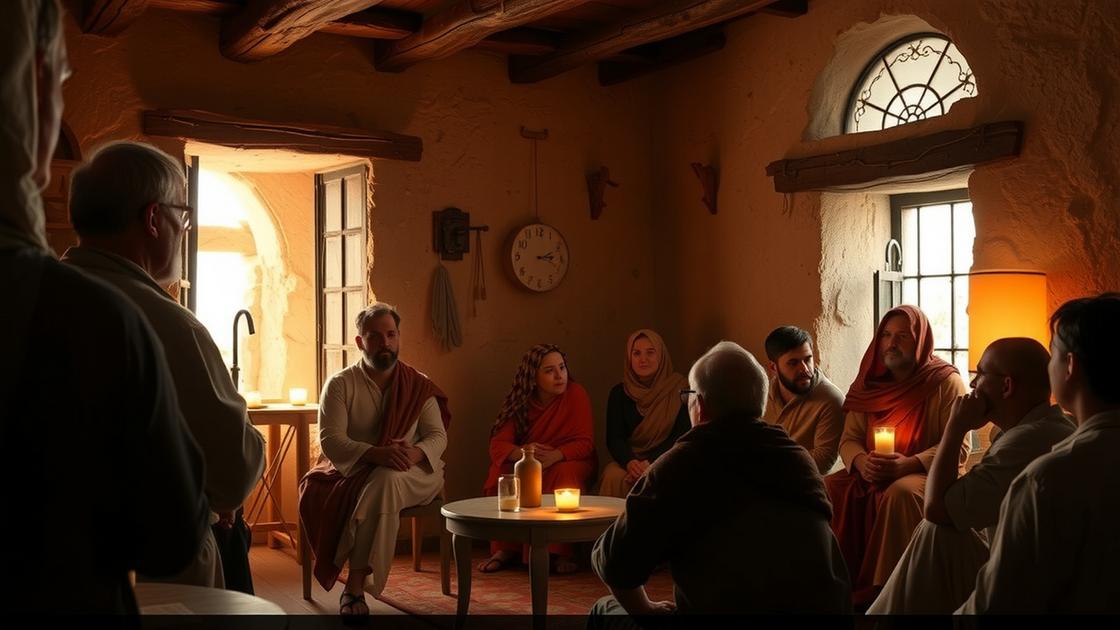
At that time, the city of Rome was the political and cultural center of the empire. The church in Rome was composed of both Jewish and Gentile believers, with tensions between these groups often arising from differing cultural perspectives. The Apostle Paul, the author of Romans, sought to address these tensions and unify the believers in Christ.
While the early church was growing, specific conflicts were brewing, especially concerning the role of the Jewish law and its relevance to Gentile converts. Paul recognized that establishing doctrinal clarity was essential for the health of the Roman church and for the broader mission of sharing the gospel.
The Apostle Paul: His Life and Mission
Paul, originally known as Saul of Tarsus, was a Pharisee who vehemently persecuted Christians before experiencing a dramatic conversion on the road to Damascus. This event radically changed the course of his life and mission. Following his conversion, Paul dedicated himself to spreading the gospel throughout the Roman Empire.
His missionary journeys took him to various regions, where he founded numerous churches and mentored new leaders. Paul’s passion for evangelism and teaching drove him to write letters to the churches he established, offering guidance and theological insight.
In Romans, Paul elaborates on the implications of the gospel. He explains how faith in Jesus Christ transcends the law and invites both Jews and Gentiles into a new covenant relationship with God. His experiences shaped his understanding of grace, faith, and the universal need for salvation.
Key Themes in the Book of Romans
The Book of Romans is rich with central themes that form the backbone of Christian theology. Some of the key themes include:
Justification by Faith: One of the central messages of Romans is that individuals are justified—declared righteous—before God solely through faith in Jesus Christ, not by adhering to the law.
Sin and Human Condition: Paul articulates the universality of sin, emphasizing that all have sinned and fall short of the glory of God, creating the need for salvation.
Grace: The concept of grace is highlighted throughout the letter, illustrating that salvation is an unearned gift from God.
The Role of the Holy Spirit: Paul discusses the indwelling of the Holy Spirit, who empowers believers to live according to God’s will.
Israel’s Role: Paul addresses God’s plan for Israel, indicating that God’s covenant with Israel remains valid and His promises will be fulfilled.
The Significance of Grace and Faith
Grace and faith are integral to Paul’s teachings in Romans. Grace represents God’s unmerited favor—a central tenet that defines the Christian faith. According to Paul, no one can achieve righteousness through their efforts; it is only by grace that believers are saved.
Faith, on the other hand, is the means by which individuals receive this grace. Paul emphasizes that faith is not merely intellectual assent but involves trust in God’s promises and a commitment to live in accordance with His will.
This interplay between grace and faith provides a foundational understanding of salvation and sets the stage for Christian living. The implications of these concepts extend beyond theological discussions; they influence relationships, ethical decisions, and the overall purpose of life for believers.
Intended Audience of the Letter
Romans was written to the Christians in Rome, a diverse group comprising both Jewish and Gentile believers. Understanding the audience is crucial for interpreting the letter’s teachings.
The Jewish Christians had a background in the Mosaic Law and were familiar with the Old Testament scriptures, while the Gentile converts were often newcomers to the faith, lacking the same historical context.
Paul wrote Romans to clarify misunderstandings, address divisions, and unite the church around the centrality of the gospel. He aimed to ensure that both groups understood their equal standing before God and the grace that is available to all through faith in Jesus Christ.
The Impact of Romans on Early Christianity
The Book of Romans has had a profound impact on the development of early Christianity. It served as a foundational text for understanding key theological concepts, particularly justification by faith. Early church leaders studied and taught Romans extensively, using it to establish doctrine and guide believers in their faith.
Great theologians, such as Augustine and Martin Luther, found inspiration in Romans, leading to significant theological reformations. Luther’s recognition of justification by faith in Romans played a crucial role in the Protestant Reformation, framing the essence of salvation as a gift rather than a result of works.
The implications of Paul’s teachings in Romans shaped the church’s understanding of grace, faith, and God’s justice, providing a framework that continues to influence Christian thought and practice today.
Modern Interpretations of Romans
In contemporary discussions, the Book of Romans remains a point of reference for theological exploration. Various denominations and theologians interpret Romans in different ways, affected by cultural backgrounds, historical contexts, and theological perspectives.
Some view Romans as a systematic theological treatise, while others approach it as an epistle addressing practical issues within the church. The debates surrounding topics such as predestination, the role of Israel, and the relationship between faith and works continue to provoke thought and discussion among believers.
Modern interpretations also seek to address contemporary issues, applying Paul’s teachings to questions regarding social justice, grace, and inclusivity within the church. As society continues to evolve, the relevance of Romans invites new reflections and applications of its timeless truths.
Controversies Surrounding Romans
The Book of Romans is not without controversy. Various theological debates have emerged from its contents, particularly regarding the concepts of grace, salvation, and God’s justice.
Disagreements over how to interpret key passages, such as Romans 9-11 which speaks to the destiny of Israel, have led to differing views between Calvinistic and Arminian perspectives. These doctrinal disputes demonstrate the richness of Romans, as well as the complexity of its teachings.
Scholars also debate the social and ethical implications of Paul’s teachings, examining how they relate to issues like gender, sexuality, and social justice. These discussions highlight the ongoing relevance of Romans and the need for careful interpretation in a diverse and changing world.
How Romans Influences Christian Beliefs Today
The influence of the Book of Romans permeates various aspects of Christian belief and practice today. Its core messages around grace and faith form the basis of how many Christians understand salvation. Romans provides a theological platform from which many derive their views on human nature, sin, and divine grace.
Churches around the world often use Romans in sermons, teachings, and small group studies to encourage believers in their faith journeys and to foster community among diverse congregations.
Additionally, Romans informs discussions about personal conduct, ethical decision-making, and social responsibility, emphasizing the importance of living out one’s faith in every aspect of life.
The Enduring Legacy of Romans
The enduring legacy of the Book of Romans is evident through its continuous relevance in theological discussions, church teachings, and personal faith journeys. Its themes of grace, faith, and justification resonate with believers today, encouraging a deeper understanding of God’s character and His plan for humanity.
As new generations explore the teachings of Paul in Romans, the text remains a source of inspiration, guidance, and challenge. Its ability to unify diverse audiences around the central message of the gospel underscores its importance in the Christian tradition, ensuring its place in both history and modern faith practices.
Still praying... but feeling spiritually stuck?
Thousands of Christians have renewed their prayer life through the
7-Day Prayer Reset—a simple, Scripture-based journey
designed to help you reconnect with God in just a few minutes each day.