The Ancient Israel Study offers a captivating glimpse into the rich history and culture of ancient civilizations. By examining archaeological finds, ancient texts, and historical analyses, we can uncover the secrets of how these societies operated. This exploration not only aids in understanding the past but also informs our contemporary world. Let’s take a deeper look into what makes the Ancient Israel Study essential for historians and enthusiasts alike.
Ancient Israel holds a remarkable place in history for several reasons. It is often viewed as the cradle of monotheism, where the belief in a single God took root. This shift in religious thought significantly influenced many subsequent civilizations and faiths.
Moreover, the Kingdom of Israel was a pivotal player in the ancient Near Eastern politics, often interacting with powerful neighbors like Egypt, Babylon, and Assyria. The biblical narratives, including kings such as David and Solomon, showcase its historical prominence and cultural achievements.
Its historical texts provide insight into the laws, customs, and societal structures of the time, indicating significant advancements in governance and community life that laid foundations for later societies.
Key Archaeological Discoveries
The study of ancient Israel has been greatly enriched by numerous archaeological discoveries. Sites such as Jericho and Hazor have uncovered remnants of ancient walls, pottery, and tools, providing evidence of urban life.
One of the most significant finds was the Dead Sea Scrolls, discovered in the Qumran Caves. These texts include some of the oldest known manuscripts of the Hebrew Bible, offering insights into early Jewish thought and the development of religious practices.
Other noteworthy sites include Megiddo and Hebron, where excavations have revealed temples, fortifications, and evidence of trade. These finds support historical accounts of a thriving civilization with advanced urban planning and complex societal structures.
Deities and Religious Practices
The religious landscape of ancient Israel was complex and evolved over time. Initially, the Canaanites worshiped multiple deities, but Israelite religion gradually became branded by the worship of Yahweh as the sole God.
Yahweh: Central to Israelite belief, worship involved sacrifices and rituals as detailed in various biblical texts.
Cultural Festivals: Key practices included the observance of Passover, Shavuot, and Sukkot, which celebrated Israel’s agricultural cycle and historical events.
Prophetic Traditions: Prophets played crucial roles, communicating divine messages and urging the people to adhere to the covenant.
Over time, religious practices transformed, reflecting changes in societal norms and interactions with neighboring cultures. Temples, like the one in Jerusalem, became central act centers for worship and assembly.
Daily Life in Ancient Israel
Everyday life in ancient Israel was influenced by the agricultural cycle, religious obligations, and inter-community relations. Most people were engaged in farming, tending crops such as barley and wheat, while others focused on herding sheep and goats.
Diet: A typical diet consisted of grains, fruits, and vegetables, supplemented by meat on special occasions.
Housing: Homes were usually simple, constructed from mud bricks, often with flat roofs.
Education: Learning typically occurred within the family unit, with storytelling playing a crucial role in passing down traditions and laws.
Social structures were typically patriarchal, with men serving as heads of households, while women took care of domestic duties and raising children. Community gatherings played a vital role in maintaining social cohesion and shared cultural practices.
Influence on Modern Religions
The legacy of ancient Israel is profoundly felt in modern religions. Judaism, Christianity, and Islam all draw deeply from the traditions and texts originating from this ancient civilization.
Judaism: Central to Jewish identity, ancient texts and practices still shape religious life today.
Christianity: The New Testament and the teachings of Jesus are rooted in the Jewish tradition and history of ancient Israel.
Islam: Islam recognizes many biblical prophets and narratives, integrating them into its own theological framework.
This interconnectedness highlights the enduring legacy of ancient Israel in shaping the spiritual and ethical frameworks of billions around the world.
Political Structures and Leadership
The political framework of ancient Israel evolved throughout its history, marked by significant transitions from tribal confederations to a united monarchy.
Judges: During the pre-monarchical period, Israel was led by Judges, who were military leaders and arbiters of disputes.
Monarchy: The establishment of the monarchy under Saul, followed by David and Solomon, marked a critical shift towards centralized governance.
Divided Kingdoms: Following Solomon’s reign, the kingdom split into Israel and Judah, each with its own kings and political dynamics.
The leadership styles varied across periods, with kings often viewed as divinely appointed, wielding significant influence over both governance and religious practices.
Trade and Economy in Ancient Times
The economy of ancient Israel was largely agrarian, but trade played an essential role in its wealth and cultural exchanges with neighboring civilizations.
Agriculture: Most citizens engaged in farming, which provided sustenance and trade goods.
Trade Routes: The region’s strategic location fostered trade with Egypt, Mesopotamia, and other cultures, facilitating the exchange of goods like spices, textiles, and metals.
Markets: Towns often had marketplaces, where goods were exchanged, and social interactions occurred.
This trade network reflected a dynamic economy, allowing for cultural interchange and growth, critical for the development of the civilization.
Cultural Achievements and Art
The artistic and cultural achievements of ancient Israel are evident in various forms, from pottery to architectural designs.
Pottery: Distinctive pottery styles served both functional and decorative purposes, revealing insights into daily life and trade.
Architecture: Monumental structures, such as temples and city walls, demonstrated advanced engineering and artistic skills.
Literature: Rich literary traditions led to profound works, including the Hebrew Bible, which shaped religious thought.
These achievements illustrate the sophisticated cultural landscape of ancient Israel and its lasting impact on future generations.
Impact of Geography on Civilization
The geography of ancient Israel significantly shaped its development. Located at the crossroads of ancient trade routes, it enjoyed access to diverse cultures and resources.
Natural Resources: The land provided essential resources, including fertile soil for agriculture and materials for construction.
Topography: The varied landscape influenced settlement patterns, with cities often built on hills for defensive purposes.
Climate: The Mediterranean climate contributed to agricultural productivity, supporting a stable food supply.
This geographical context was crucial in fostering a vibrant and resilient civilization capable of adapting to the challenges and opportunities of its environment.
Legacy of Ancient Israel in Today’s World
The legacy of ancient Israel continues to resonate today. Its contributions to religious thought, governance, and culture leave an indelible mark on contemporary society.
Religious Texts: The foundational texts continue to guide millions in spiritual and ethical practices.
Legal Systems: Ideas from ancient Israel have influenced modern legal frameworks and concepts of justice and morality.
Cultural Traditions: Festivals and customs originating from ancient practices remain integral to various cultures.
The enduring legacy of ancient Israel serves as a bridge connecting the past with the present, enriching the tapestry of human history.
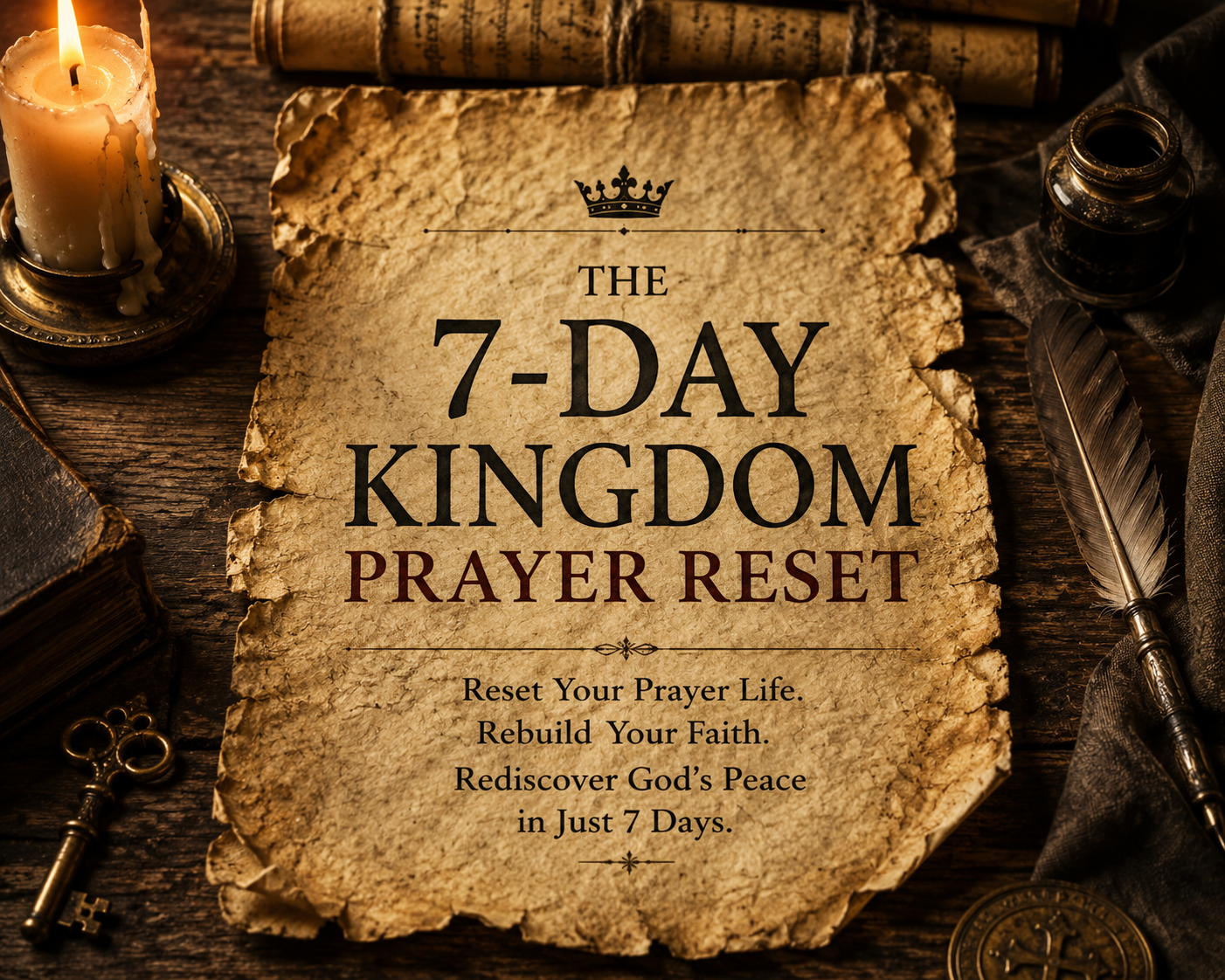
Still praying... but feeling spiritually stuck?
Thousands of Christians have renewed their prayer life through the
7-Day Prayer Reset—a simple, Scripture-based journey
designed to help you reconnect with God in just a few minutes each day.