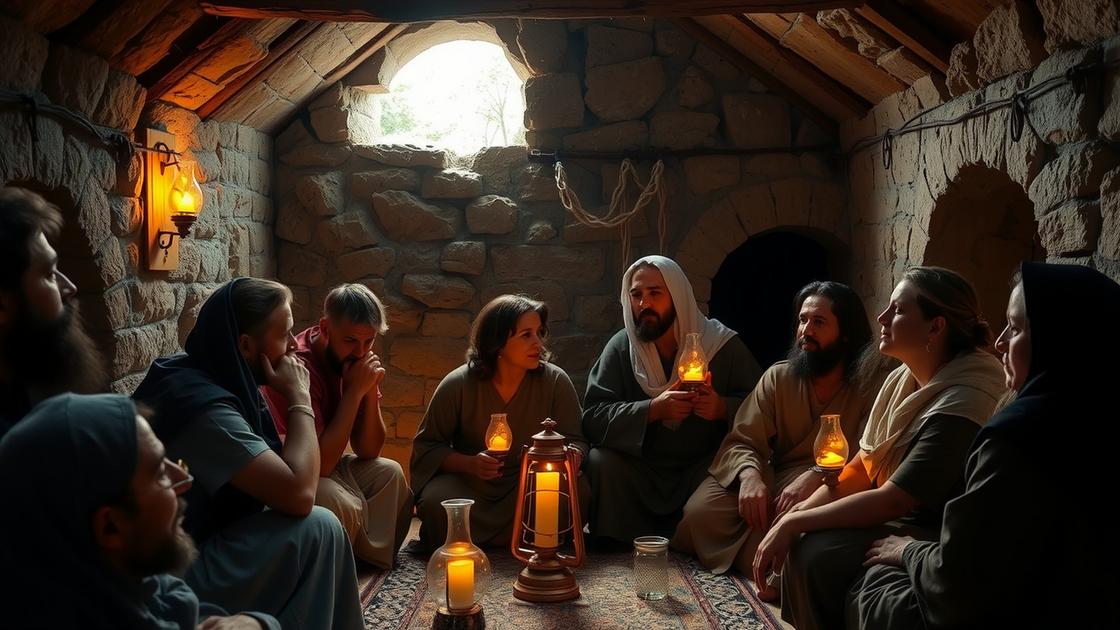
The meaning of the 12 Tribes has intrigued scholars, theologians, and curious minds alike. These ancient groups symbolize more than just lineage; they reflect rich histories and traditions that shaped civilizations. In this article, we will delve into their origins, significance, and the roles they play in contemporary society.
The 12 Tribes of Israel trace their origins back to the biblical patriarch Jacob, also known as Israel. Jacob had twelve sons, each of whom became the founder of a tribe. These tribes formed the foundation of the ancient Israelite society. The names of the tribes are:
Reuben
Simeon
Levi
Judah
Dan
Naphtali
Gad
Asher
Issachar
Zebulun
Joseph
Benjamin
The twelve tribes initially settled in the land of Canaan after their exodus from Egypt, as described in the Book of Exodus in the Hebrew Bible. The tribes were given specific territories, which contributed to their distinct identities.
Throughout history, the tribes faced numerous challenges, including conquests and exiles, most notably the Babylonian Exile in 586 BCE, which led to the dispersion of many tribes.
Cultural Significance of Each Tribe
Each tribe holds unique cultural and historical significance within Israelite history. Here’s a brief overview:
Reuben: Known as the firstborn, Reuben’s tribe had to establish strong leadership.
Simeon: This tribe played a vital role in the early conquests of Canaan.
Levi: The tribe of Levi had religious duties, serving in the Temple.
Judah: Judah became the most influential tribe, producing royal lineages, including King David.
Dan: Known for their skilled warriors, Dan settled in the northern part of Israel.
Naphtali: This tribe was known for its strong presence in battles.
Gad: The tribe of Gad was known for its fighters and settled in Transjordan.
Asher: Known for its fertility and abundant resources.
Issachar: Recognized for its scholars and understanding of the times.
Zebulun: This tribe was engaged in trade and commerce.
Joseph: Represented by two tribes, Ephraim and Manasseh, known for their significant land holdings.
Benjamin: Small but fierce, Benjamin played a key role in various conflicts.
The diversity in roles and attributes contributed to the rich cultural tapestry of ancient Israel.
Theological Interpretations of the Tribes
The twelve tribes hold significant theological implications within Judaism and Christianity. They represent different aspects of faith and spirituality:
Symbol of Unity: Together, the tribes exemplify unity among diversity, combining strengths to fulfill God’s covenant.
Divine Promise: Each tribe represents a promise of land and heritage from God, as stipulated in biblical texts.
Prophetic Symbolism: The tribes are often referenced in prophetic writings, reflecting their destinies and roles in eschatology.
Theological interpretations vary, with some viewing the tribes as literal lineages while others see them symbolically as spiritual families representing different characteristics of believers.
Modern-Day Implications of the 12 Tribes
In contemporary society, the twelve tribes influence various social, political, and religious movements:
Cultural Identity: Many Jewish communities recognize their tribal heritage and emphasize cultural traditions.
Religious Movements: Some Christian denominations reference the tribes to express spiritual truths or identities.
Political Implications: Tribes have historical influences on the political landscape in Israel and diaspora communities.
Advocacy for Heritage: Organizations advocate for the preservation of the cultural legacies of the tribes.
As society evolves, the relevance of the twelve tribes continues to manifest in different ways, preserving their historical significance.
Comparative Analysis of the Tribes
Comparing the tribes brings insights into their unique characteristics:
Leadership Styles: For example, Judah exemplifies leadership through governance, while Levi underscores religious leadership.
Tribal Strengths: Each tribe contributed differently, with some being warriors (e.g., Gad) and others skilled in commerce (e.g., Zebulun).
Geographical Distribution: The tribes’ territories impacted their economies and lifestyles, shaping their identities.
Such analyses can help scholars and enthusiasts understand the diverse attributes and influences of each tribe in ancient Israel.
The Role of the Tribes in Ancient Societies
In ancient societies, the tribes played critical roles in various aspects:
Social Structure: The tribes provided a network of kinship that established social order and responsibilities.
Religious Practices: Each tribe contributed to the religious life of ancient Israel, influencing rituals and traditions.
Defense and Warfare: The tribes collectively formed a defense system against external threats.
Resource Management: Tribes managed local resources efficiently, contributing to the economy.
The cohesive roles of the tribes facilitated the development of a stable society amidst challenges.
Lessons from the 12 Tribes for Today’s World
The twelve tribes impart valuable lessons for modern individuals and communities:
Embracing Diversity: The varied skills and attributes of the tribes highlight the importance of embracing diversity in communities.
Collaboration: Cooperation among different groups of people can lead to a stronger and more unified society.
Resilience: The tribes faced significant adversity, teaching lessons in perseverance and faith.
Heritage and Identity: Understanding one’s roots can foster a sense of belonging and community.
The lessons derived from the tribes remain applicable, encouraging unity, cooperation, and respect for diversity.
Art and Literature Inspired by the Tribes
The twelve tribes have inspired various forms of art and literature:
Literary References: The tribes frequently appear in religious texts, historical accounts, and contemporary interpretations.
Visual Art: Artists have depicted the tribes in paintings, sculptures, and illustrations, showcasing their stories.
Cultural Festivals: Celebrations highlighting the tribes’ stories maintain their legacy in modern culture.
This artistic inspiration reflects the enduring impact of the twelve tribes, keeping their stories alive across generations.
Challenges in Understanding the Tribes
While the twelve tribes’ history is rich, some challenges persist in understanding their significance:
Historical Accuracy: Scholars often debate the historical accounts of the tribes, leading to differing interpretations.
Archaeological Evidence: Limited archaeological findings make it difficult to fully grasp the tribes’ historical reality.
Cultural Misinterpretation: Modern cultural lenses sometimes distort traditional understandings of the tribes.
Addressing these challenges requires careful interdisciplinary study and openness to different perspectives.
Future Perspectives on the 12 Tribes
Looking ahead, the relevance of the twelve tribes may evolve:
Interfaith Dialogue: The tribes can serve as a foundation for interfaith discussions around shared histories.
Identity Exploration: People may increasingly explore tribal identities as a means of connecting with heritage.
Media Representation: The tribes could inspire more discussions in media, literature, and popular culture.
Understanding the twelve tribes will likely remain a dynamic field of study, continuously drawing interest and reinterpretation in the modern world.
Still praying... but feeling spiritually stuck?
Thousands of Christians have renewed their prayer life through the
7-Day Prayer Reset—a simple, Scripture-based journey
designed to help you reconnect with God in just a few minutes each day.