Have you ever felt the need for calm in a chaotic world? A Prayer for Peace can be a powerful tool in fostering tranquility and togetherness. In these challenging times, many seek solace in words that resonate with hope. This article delves into the significance of prayers and how they can uplift spirits during turmoil.
Prayer for peace is a profound expression of humanity’s desire for harmony, understanding, and compassion. It encapsulates hopes for tranquility amid turmoil. Prayer serves not only as a means of searching for comfort but also as a call for unity among people from all walks of life.
Embracing the concept of peace, prayers often echo sentiments of love and respect. A prayer for peace acknowledges the struggles faced by individuals, communities, and global populations. It calls upon divine intervention to heal rifts, end conflict, and foster understanding.
At its core, this prayer embodies the essence of hope. It encourages communities to come together, fostering an atmosphere of collaborative support. When individuals unite in prayer, they amplify their intentions, creating a ripple effect of positivity and healing.
Historical Context of Prayers for Unity
Throughout history, human beings have turned to prayer as a source of strength during difficult times. From ancient civilizations to modern societies, prayers for peace have resonated strongly in collective hearts.
Ancient Rituals: Various cultures practiced rituals invoking peace. For instance, during tribal conflicts, leaders would often perform ceremonies to seek divine favor for peaceful resolutions. Such practices laid the groundwork for how societies today embrace prayer as a means of conflict resolution.
Religious Texts: Many religions emphasize the importance of peace. In Christianity, for example, the Bible contains numerous passages advocating for peace, urging believers to pray for tranquility both personally and collectively. Similarly, Buddhist teachings promote serenity through mindfulness and compassion.
Modern Movements: In recent decades, movements aimed at reducing violence and promoting peace have thrived, often incorporating prayer into their activities. Events such as the Peace Prayer Day cultivate global awareness around the importance of peace, encouraging interfaith dialogues that connect diverse communities.
The Impact of Prayer on Mental Health
Numerous studies show that prayer can profoundly impact mental health. Engaging in prayer provides comfort and solace, helping individuals cope with life’s stresses.
Reduction of Anxiety: Individuals who engage in prayer often report reduced levels of anxiety. The act of praying contributes to feelings of security and reassurance, acting as a shield against overwhelming emotions.
Enhancing Inner Peace: Prayer promotes mindfulness, helping individuals cultivate a sense of calmness. Taking time for reflection allows people to disconnect from daily chaos, reinforcing their mental well-being.
Strengthening Resilience: Those who pray regularly often develop a sense of resilience. This practice equips individuals with coping strategies to face adversity, nurturing an optimistic outlook even in challenging circumstances.
Different Traditions: How Various Cultures Pray for Peace
Across the globe, different cultures have unique approaches to praying for peace, reflecting their beliefs and traditions.
Christianity: In Christianity, prayers like the Serenity Prayer emphasize acceptance and tranquility. Many congregations hold special prayer services focused on peace, especially during global crises.
Islam: Muslims often engage in prayer (Salah) that includes supplications for peace. The Dua prayers are specifically aimed at seeking safety and harmony for individuals and communities alike.
Buddhism: Buddhists practice meditation as a form of peaceful prayer. They often focus on sending loving-kindness and peace to all beings, fostering a collective sense of serenity.
Hinduism: In Hinduism, rituals such as Puja involve prayers for peace, invoking deities for protection and harmony within the community.
Personal Stories of Transformation Through Prayer
Anecdotal evidence illustrates the power of prayer for peace in personal transformation.
One example is the story of Mary, who faced overwhelming grief after losing a loved one. In her darkest hours, she turned to prayer, seeking comfort and understanding. Through her daily practice, she discovered newfound resilience, allowing her to heal and inspire others with her journey.
Another story involves James, a conflict mediator, who utilized prayer as a tool during negotiations. By incorporating prayer, he invited all parties to share their hopes for peace, paving the way for collaborative dialogue. His approach inspired others to embrace prayer as a means of conflict resolution.
Praying Together: The Strength in Community
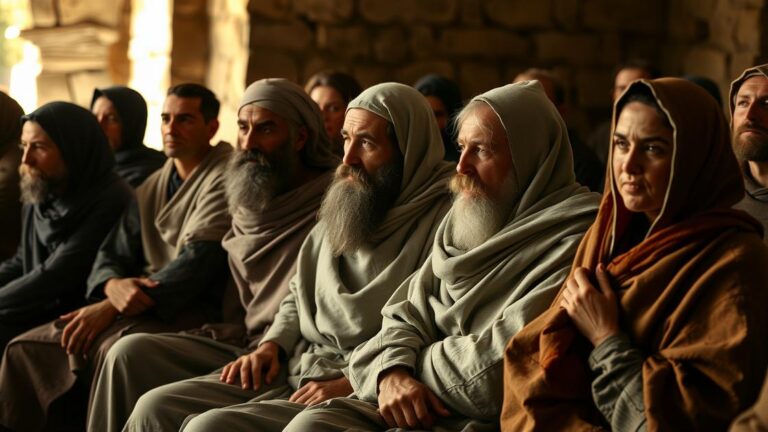
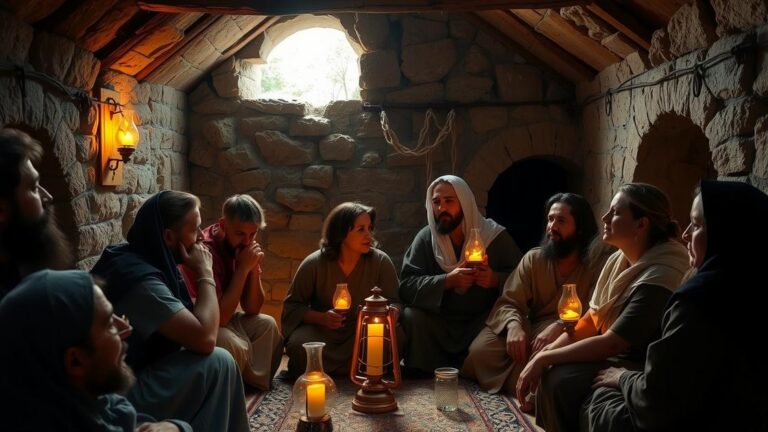
Communal prayer significantly enhances the impact of individual prayers for peace. Coming together as a group fosters a collective spirit, allowing participants to share their hopes and intentions.
Building Connections: Group prayer creates bonds among participants, strengthening community ties. Sharing experiences and intentions cultivates empathy and understanding.
Mobilizing for Action: Community prayer often leads to collective actions aimed at promoting peace. It unites individuals to address social issues, advocate for change, and support one another.
Creating Safe Spaces: Group prayer provides safe spaces. It allows individuals to express their fears and desires freely, supported by others who share the same longing for peace.
How to Create Your Own Prayer for Peace
Creating a personal prayer for peace is a meaningful way to express your hopes and desires. Here are some steps to guide you:
Reflect: Take time to think about your intentions. What does peace mean to you? Consider areas in your life or community that need healing.
Draft Your Words: Begin writing your prayer, incorporating your feelings and intentions. Use language that resonates with your spirit.
Include Affirmations: Add affirmations that reinforce your hope for peace. This can be a few lines that remind you of your goals.
Share: Consider sharing your prayer with others. This can foster discussions about peace and encourage collective intentions.
Meditation and Prayer: Finding Serenity
Meditation serves as a powerful companion to prayer, enhancing the practice of seeking peace.
Mindfulness Practice: Both meditation and prayer encourage mindfulness, allowing individuals to ground themselves in the present moment. This practice helps alleviate stress and fosters a sense of inner calm.
Visualization: During meditation, individuals can visualize peace, cultivating a deep connection with their intentions. Imagining a peaceful world or community can inspire transformative feelings.
Breath Awareness: Focusing on breath during meditation complements prayer by cultivating serenity. This practice helps quiet the mind and soul, inviting peace into one’s life.
The Role of Prayer in Conflict Resolution
Prayer plays a vital role in conflict resolution, promoting understanding and empathy between opposing parties.
Setting Intentions: Before engaging in conflict resolution, individuals can pray to set positive intentions. This practice creates an atmosphere conducive to open dialogue.
Encouraging Empathy: Praying with others fosters empathy, as shared intentions bridge divides. Understanding differing perspectives becomes easier through the lens of compassion.
Healing Relationships: Prayer can heal broken relationships, creating pathways towards reconciliation. It encourages forgiveness and acceptance, which are crucial in resolving conflicts.
Spreading the Message: Encouraging Others to Pray for Peace
Sharing the importance of prayer for peace encourages others to join in this vital practice.
Organizing Community Events: Host local gatherings that focus on prayer for peace. These events foster connections within the community and raise awareness about the importance of collective prayer.
Utilizing Social Media: Use platforms to share personal prayers, stories, and experiences. Sharing positive messages can inspire others to engage in prayer practices.
Creating Educational Resources: Provide educational materials that highlight the impact of prayer for peace. These can include pamphlets, blogs, and workshops focused on developing personal and communal prayers.
Still praying... but feeling spiritually stuck?
Thousands of Christians have renewed their prayer life through the
7-Day Prayer Reset—a simple, Scripture-based journey
designed to help you reconnect with God in just a few minutes each day.