Have you ever felt the weight of guilt on your heart? Prayer for Forgiveness offers a path to release that burden and find solace. In a world filled with conflict and misunderstandings, seeking forgiveness through prayer not only heals ourselves but also strengthens our connections with others. This article will delve into the profound impact of forgiveness prayers, guiding you on a spiritual journey toward peace and reconciliation.
Forgiveness is a crucial aspect of emotional well-being. It allows individuals to let go of grudges and anger, which can weigh heavily on the heart and mind. Forgiveness does not mean forgetting or condoning the wrong done to us, but it does involve a conscious decision to release feelings of resentment. This release can lead to healthier relationships and a more peaceful life.
Studies have shown that forgiveness can reduce stress and anxiety. When we hold onto hurt, it can contribute to physical and emotional distress. Therefore, understanding the power of forgiveness is the first step toward healing.
How Prayer Opens the Heart to Healing
Prayer can play a significant role in the process of forgiveness. When we pray for forgiveness, we open our hearts to healing. This act of communication with a higher power can lead to reflection and personal growth.
Prayer promotes a sense of connection. It allows individuals to express their emotions and seek guidance. This can help in processing the pain caused by others and also in forgiving oneself. Prayer creates a safe space for healing.
Components of an Effective Forgiveness Prayer
An effective forgiveness prayer typically includes several components:
Addressing the Higher Power: Start your prayer by addressing God or your spiritual guide.
Expression of Feelings: Share your feelings honestly. Express your pain, anger, and sorrow.
Request for Help: Ask for guidance and the strength to forgive those who have hurt you.
Offering Forgiveness: Actively state your intention to forgive and release the burden of resentment.
Gratitude: End with a note of thanks, expressing gratitude for the healing process and support.
Common Misconceptions About Forgiveness
Many people have misconceptions about forgiveness that can hinder their healing journey:
Forgiveness Means Forgetting: Forgiving someone does not mean you forget what happened. It’s about letting go of the emotional hold it has on you.
Forgiveness Is Weakness: Some view forgiveness as a sign of weakness, but it actually demonstrates strength and courage to move forward.
Forgiveness Requires an Apology: You can forgive someone even if they never apologize. Your healing is not dependent on their acknowledgment.
Forgiveness Will Fix Everything: While forgiveness can lead to positive change, it doesn’t guarantee that relationships will return to normal.
Real-Life Stories of Transformation Through Prayer
Many individuals have experienced significant transformation through the power of prayer and forgiveness. Here are a few inspiring stories:
The Story of Maria: After being betrayed by a close friend, Maria found solace in prayer. Through her spiritual practice, she realized that holding onto anger was affecting her happiness. With time, she prayed for the strength to forgive and felt an immense weight lifted off her shoulders.
The Journey of John: John struggled for years with resentment toward his estranged father. Through prayer, he found the courage to forgive his father, which ultimately healed his own heart and opened the door for reconciliation.
Linda’s Healing: After a painful divorce, Linda turned to prayer for guidance. In her prayers, she sought to forgive her former partner. This process allowed her to find inner peace and rebuild her life.
Guidelines for Writing Your Own Forgiveness Prayer
Creating a forgiveness prayer can be a personal and transformative experience. Here are some guidelines to help you write your own:
Be Honest: Write from the heart. Be truthful about your feelings and experiences.
Keep It Simple: A straightforward prayer can be more powerful than a complex one.
Be Specific: Identify the person or situation you wish to forgive. This specificity can help you focus your intentions.
Express Your Intentions: Clearly state your desire to forgive and your willingness to let go of negative feelings.
Make it Personal: Use your own language and style. This prayer is for you, so make it meaningful.
The Role of Forgiveness in Personal Growth
Forgiveness is a vital component of personal growth. By forgiving, we allow ourselves to move forward and learn from our experiences. It encourages emotional resilience and fosters healthier relationships.
When we practice forgiveness, we also cultivate empathy. Understanding the reasons behind others’ actions can deepen our compassion and connection to others. This growth can lead to profound changes in how we interact with the world around us.
Prayers for Forgiving Yourself: A Difficult Journey
Forgiving oneself can often be more challenging than forgiving others. Self-forgiveness is essential for personal healing and moving forward. Here are some prayers focused on self-forgiveness:
Prayer for Self-Acceptance: “Lord, help me accept my imperfections and learn from my mistakes. I am worthy of your love and my own forgiveness.”
Prayer for Letting Go: “God, I release the burden of guilt I have carried. Help me to forgive myself and walk in your grace.“
Prayer for Healing: “I ask for healing in my heart, Lord. Guide me towards love and acceptance of myself.”
Incorporating Forgiveness Prayer into Daily Life
Integrating forgiveness prayer into daily life can create a lasting impact. Here are some suggestions:
Set a Daily Reminder: Dedicate a specific time each day for prayer and reflection on forgiveness.
Use Affirmations: Combine affirmations with your prayers to reinforce a mindset of forgiveness.
Involve Others: Share your journey with trusted friends or family members, fostering a community of support.
Journal Your Journey: Keep a journal of your feelings and prayers related to forgiveness, tracking your progress over time.
Finding Peace Through Community and Shared Prayer
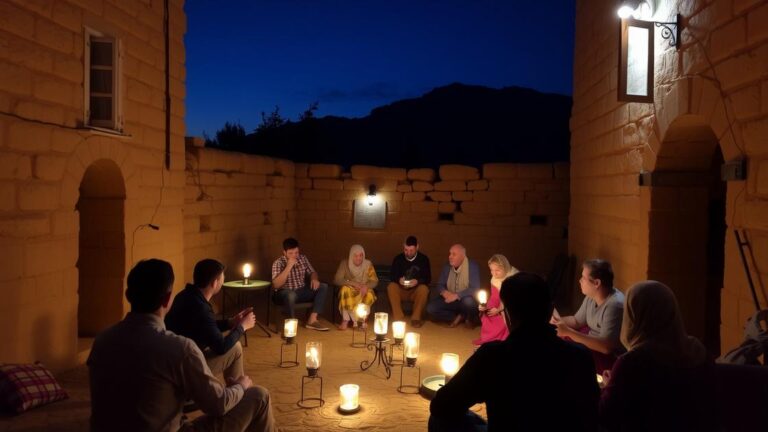
Community support can be invaluable in the journey of forgiveness. Participating in group prayers can enhance your commitment and provide encouragement. Here’s how to find peace through community:
Join a Prayer Group: Connecting with others who share similar goals can create a nurturing environment.
Participate in Workshops: Attend workshops focusing on forgiveness and healing to gain new insights.
Share Your Story: Sharing your experiences can inspire others and help you feel less alone in your journey.
Support Others: Helping others with their forgiveness journey can strengthen your own process and foster meaningful relationships.
Still praying... but feeling spiritually stuck?
Thousands of Christians have renewed their prayer life through the
7-Day Prayer Reset—a simple, Scripture-based journey
designed to help you reconnect with God in just a few minutes each day.