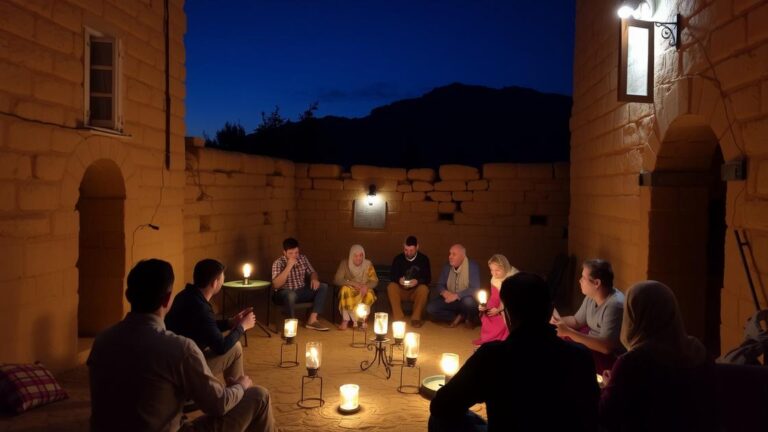
Have you ever pondered the significance of Psalm 100? This beautiful chapter in the Bible invites us to explore themes of joy, thanksgiving, and worship. By examining its verses, we can gain a deeper understanding of our relationship with God and the role of praise in our daily lives. Join us as we dive into the heart of Psalm 100 and uncover its timeless message.
Psalm 100, often referred to as the “thanksgiving psalm,” has its roots in ancient Israelite worship practices. This psalm likely originated from the temple period, a time when rituals and music played a significant role in religious life. Many scholars believe it was sung during the festival of Sukkot, or the Feast of Tabernacles, which celebrated the harvest and God’s provision.
The psalm reflects a communal aspect, inviting not only Israel but all nations to join in the praise of the Lord. The opening command to make a joyful noise is an indication of celebratory worship. Throughout history, Psalm 100 has been recited in various liturgical settings, emphasizing the importance of gratitude and communal praise in worship.
Modern interpretations often highlight the psalm’s inclusiveness and universality. It serves as a bridge between the historical context of the Israelites and contemporary Christians, emphasizing that praise can transcend cultural and historical barriers.
Themes of Gratitude in Psalm 100
Gratitude is a central theme in Psalm 100. The entire psalm invites worshipers to express thankfulness to God. The opening lines encourage believers to “make a joyful noise to the Lord, all the earth!” This call to action underscores the importance of joy in expressing gratitude.
As readers delve deeper into Psalm 100, they discover specific reasons for gratitude:
God’s Goodness: The psalmist acknowledges that the Lord is good, highlighting His character and nature.
Steadfast Love: The mention of God’s enduring love reminds worshipers that His affection is unwavering and constant.
Faithfulness: The declaration of God’s faithfulness extends to future generations, reassuring believers of His promises.
These themes resonate deeply, indicating that thankfulness should not merely be a reaction to blessings, but a profound recognition of God’s presence in life.
What Worship Means in Psalm 100
Worship in Psalm 100 is portrayed as an act of joy and service. It encompasses both individual and collective expressions of reverence. The psalm provides a vivid picture of worship involving music, singing, and thanksgiving, creating a joyful atmosphere.
Key aspects of worship presented in this psalm include:
Joyful Noise: The psalm begins with a call to make a joyful noise, suggesting that worship should be vibrant and full of life.
Community Participation: The invitation to all the earth emphasizes that worship is intended to be inclusive, bringing people together.
Personal Relationship: There is an intimate aspect where individuals are called to know the Lord personally as their shepherd.
This portrayal of worship underscores that it is not merely a duty but a delightful privilege to engage with God and a community of believers.
Exploring the Structure of Psalm 100
The structure of Psalm 100 is simple yet profound. It can be divided into five key sections that convey its message effectively:
Invitation to Worship (Verses 1-2): Encouragement to shout and serve the Lord.
Recognition of God’s Sovereignty (Verse 3): Acknowledgment of the Lord as creator and shepherd.
Call to Enter into His Presence (Verse 4): An exhortation to come before God with thanksgiving and praise.
Reasons for Worship (Verse 5): Affirmation of God’s goodness, love, and faithfulness.
This clear organization contributes to a powerful reading experience, allowing worshipers to internalize its messages easily.
How Psalm 100 Relates to Modern Life
Psalm 100 remains relevant today, speaking to the challenges many face in contemporary life. In a world filled with uncertainty and stress, the psalm serves as a reminder to cultivate gratitude and joy. It encourages individuals to recognize the goodness in their lives, regardless of circumstances.
For instance:
Overcoming Negativity: Regularly practicing gratitude as outlined in Psalm 100 can combat feelings of negativity and depression.
Community Building: Engaging in communal worship fosters a sense of belonging and connection among individuals.
Strengthening Faith: Reflecting on God’s faithfulness can bolster individuals’ trust in His guidance and love during difficult times.
These connections illustrate how Psalm 100 can provide comfort and encouragement in modern life.
The Impact of Praise on Our Well-being
Praise, as highlighted in Psalm 100, has significant implications for mental and emotional well-being. Engaging in acts of worship and gratitude can lead to several positive outcomes:
Emotional Health: Acts of thankfulness can improve mood, reduce stress, and increase overall happiness.
Resilience: A grateful heart fosters resilience, helping individuals bounce back from adversity.
Social Connections: Praise often involves community interactions, which build social support systems critical for emotional health.
Research supports these findings, showing that those who incorporate regular gratitude practices report higher levels of life satisfaction.
Practical Applications of Psalm 100
To incorporate the lessons of Psalm 100 into daily life, individuals can consider several practical applications:
Daily Gratitude Journals: Start a journal to write down things you are thankful for each day.
Regular Worship: Attend community worship services to foster connection and collective praise.
Acts of Kindness: Express gratitude through acts of kindness towards others, reflecting the love of God.
These practices can help internalize the themes of Psalm 100, enriching one’s spiritual and emotional life.
Reflections on Joy from Psalm 100
Joy is an overwhelming theme in Psalm 100, serving as both a feeling and a response. Reflecting on joy can help individuals understand its place in their faith journey:
Joy as a Choice: Like the command to make a joyful noise, joy can be chosen, regardless of circumstances.
Expression of Faith: Joy often comes from recognizing God’s presence and His goodness.
Joy in Community: Sharing joy with others during worship enhances communal bonds and strengthens faith.
Reflecting on these aspects allows for a deeper appreciation of joy as foundational to spiritual health.
The Role of Community in Worship
The communal aspect of worship is essential in Psalm 100. Engaging with others in praise creates a shared experience that enriches spiritual life:
Shared Joy: Collective worship amplifies joy, creating a sense of belonging.
Support System: Community worship provides emotional and spiritual support, especially in difficult times.
Collective Reflection: Worshiping together allows for collective reflection on God’s goodness and faithfulness.
This demonstrates the importance of community in fostering a vibrant worship experience.
Meditation and Prayer Inspired by Psalm 100
To deepen one’s relationship with God, meditative practices based on Psalm 100 can be potent tools. Here are suggestions for meditation and prayer inspired by the psalm:
Silent Meditations: Spend time in silence, allowing the themes of gratitude and joy to resonate.
Prayer of Thanksgiving: Create personal prayers that reflect the gratitude expressed in Psalm 100, focusing on specific blessings.
Singing Psalms: Incorporate singing or reciting Psalm 100 as a form of worship and connection to God.
These meditative practices can enhance spiritual growth and a joyful heart, aligning closely with the message of Psalm 100.
Still praying... but feeling spiritually stuck?
Thousands of Christians have renewed their prayer life through the
7-Day Prayer Reset—a simple, Scripture-based journey
designed to help you reconnect with God in just a few minutes each day.