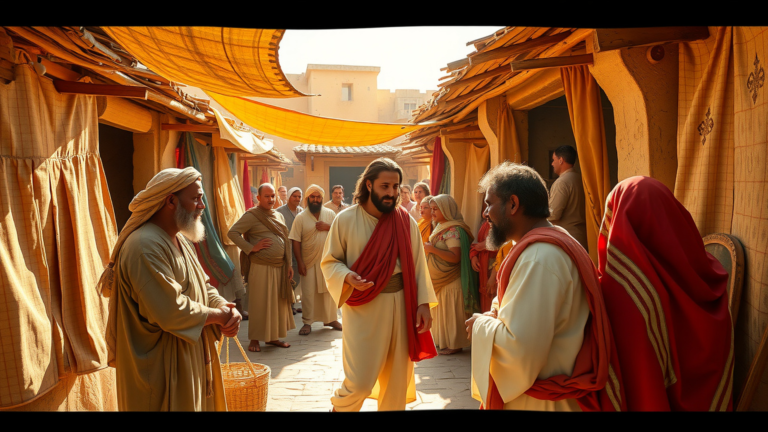
Have you ever wondered how Historical Bible Study can open your eyes to the rich context of scriptures? Understanding the history and culture behind biblical texts is essential for grasping their true meaning. In this blog post, we’ll delve into the significance of studying the Bible through a historical lens, its impact on faith, and why it remains relevant in our modern world.
Historical Bible Study serves as a bridge connecting modern believers to the ancient texts that guide their faith. This field of study not only looks at the content of the Bible but also examines the socio-political, cultural, and religious contexts of the time when it was written.
When we approach Biblical texts with a historical lens, we can appreciate the nuances and meanings that may have been lost over centuries. By understanding the foundations of this study, believers can grasp a richer understanding of scripture.
Key Concepts in Historical Bible Study:
Textual Analysis: Evaluating the language, structure, and style of biblical texts to uncover their original messages.
Literary Context: Considering the genres and literary devices used in scripture enhances interpretation.
Cultural Studies: Understanding the customs, laws, and lifestyles of biblical characters illuminates their actions.
In addition, familiarity with historical timelines helps contextualize events in the Bible. Recognizing when these events occurred enhances our comprehension of their impact and significance.
Why Historical Context Matters in Scripture Interpretation
Delving into the historical context of scripture can immensely benefit how we interpret biblical passages. Contextual analysis involves looking at the author’s background, the audience’s needs, and the circumstances under which the text was composed.
Three Benefits of Understanding Historical Context:
Deeper Insight: Understanding the original intent of the writers can clear up misconceptions and misinterpretations.
Recognizing Cultural Influences: Every scripture is a product of its environment; recognizing these factors sheds light on the text.
Applying Ancient Lessons to Modern Life: By examining how ancient audiences received messages, we can apply similar teachings in today’s context.
This approach not only enriches personal understanding but also encourages communal growth as we interpret scripture together.
Key Figures in Biblical History to Know
Understanding the Bible is greatly enhanced by knowing the key figures who shaped its narratives.
Prominent Figures Include:
Moses: A leader and prophet who brought forth the Ten Commandments and led the Israelites out of Egypt.
David: The shepherd king of Israel, known for his faith and inspiring psalms.
Paul: An apostle whose letters shaped early Christian theology and addressed fledgling church issues.
Each of these figures contributed unique perspectives and experiences that resonate through scripture. Their stories offer lessons in leadership, faith, and redemption for modern believers.
Archaeology’s Role in Understanding the Bible
Archaeology provides tangible evidence that complements historical Bible study. Discoveries of ancient artifacts, inscriptions, and ruins offer insights into the daily lives of biblical people.
Key Archaeological Findings:
The Dead Sea Scrolls: Found near Qumran, these ancient manuscripts include texts from the Hebrew Bible and highlight the textual history of the Old Testament.
Hezekiah’s Tunnel: An engineering marvel that illustrates the ingenuity of ancient Israelite society, offering context to the biblical accounts of Jerusalem.
Cave of the Warrior: Discovered remnants related to the Jewish revolt against Rome can enhance our understanding of New Testament narratives.
These findings confirm the historical legitimacy of biblical narratives and often challenge or expand previous interpretations.
How Historical Events Shaped Biblical Narratives
Historical events play a significant role in shaping the narratives found in the Bible. The intertwining of faith and history provides depth to theological discussions.
Key Historical Events to Consider:
The Babylonian Exile: This period influenced Jewish thought, theology, and the composition of significant biblical texts like the Book of Lamentations.
The Roman Occupation: Understanding the complexities of Roman rule helps in grasping the context of Jesus’ ministry and the early church.
The Protestant Reformation: This movement not only changed church practices but also influenced how believers engage with scripture today.
A thorough examination of these events reveals the evolving relationship between God and His people throughout history.
The Influence of Cultural Practices on Scripture
Cultural practices significantly shape the way scripture is understood and interpreted. Each biblical author wrote with their cultural context in mind, impacting their message.
Aspects Influencing Scripture:
Rituals and Festivals: Celebrations like Passover and Pentecost inform understanding of the Jewish faith and foreshadow New Testament events.
Economic Systems: The agricultural setting of ancient Israel is reflected in parables and teachings throughout the Bible.
Social Hierarchies: Recognizing the roles of gender and class helps interpret biblical teachings around community and family.
Awareness of these cultural dimensions enhances our overall grasp of biblical themes and encourages thoughtful application in diverse contexts.
Exploring Ancient Manuscripts and Textual Criticism
Textual criticism is the scholarly study of ancient manuscripts to determine the original text of the Bible. This involves comparing different manuscripts and analyzing variations.
Key Points of Interest:
Manuscript Traditions: Understanding the different manuscript families helps in tracing the development of biblical texts.
Variant Readings: Some variations in scripture can influence theological interpretation; recognizing these is essential for critical study.
Papyrology: The study of ancient paper materials used for scripture contributes to our understanding of how texts were copied and transmitted.
Exploring these ancient manuscripts deepens respect for the Bible’s survival and transmission through time.
Comparative Study of Biblical and Ancient Literature
A comparative study of the Bible with other ancient literatures can provide fresh insights and perspectives. This method highlights shared themes and unique qualities.
Literatures to Compare:
Mesopotamian Texts: Works like the Epic of Gilgamesh share creation and flood narratives common to both texts.
Egyptian Literature: Understanding Egyptian wisdom literature offers parallels to Hebrew proverbs and teachings.
Greco-Roman Writings: Examining works from the era of the New Testament can illuminate cultural and philosophical influences on early Christianity.
A comparative approach enriches biblical study by placing scripture within a broader literary and cultural context.
Tools and Resources for Effective Historical Study
Engaging in historical Bible study can be facilitated through various resources and tools. These can greatly enhance understanding and interpretation.
Essential Tools Include:
Study Bibles: Choose a study Bible that includes historical notes and commentary.
Online Databases: Resources like JSTOR and ATLA provide access to scholarly articles and texts.
Archaeological Journals: Publications that report on recent archaeological findings related to biblical sites.
Utilizing a variety of tools can broaden perspectives and deepen insights into scripture.
Applying Historical Insights to Modern Faith
Bringing historical insights into modern faith practices can transform the way believers interact with scripture. Applying these insights can foster deeper connections with the texts.
Ways to Apply Insights:
In Bible Study Groups: Discuss historical contexts and cultural backgrounds to deepen understanding and engagement.
Worship Practices: Integrate ancient traditions into modern worship for a richer spiritual experience.
Personal Devotion: Use historical insights to inform personal study and prayer, enhancing one’s relationship with God.
Historical Bible Study is not just an academic endeavor; it is a transformative practice that invites modern believers to engage with their faith in profound ways. The relevance of these ancient texts continues to shape lives and communities today.
Still praying... but feeling spiritually stuck?
Thousands of Christians have renewed their prayer life through the
7-Day Prayer Reset—a simple, Scripture-based journey
designed to help you reconnect with God in just a few minutes each day.