Are you seeking solace and direction in moments of conflict and resentment? Exploring bible verses about forgiveness can provide transformative insight. Forgiveness is a powerful aspect of emotional and spiritual well-being, and these scriptures guide us on how to release our burdens. This article will delve into impactful verses, helping you understand the true essence of forgiveness and how it can lead to peace.
Forgiveness is a cornerstone of the Christian faith. The Bible describes forgiveness not just as a simple act but as a profound spiritual principle. It teaches us to forgive others as God forgives us. Colossians 3:13 advises, “Bear with each other and forgive one another if any of you has a grievance against someone. Forgive as the Lord forgave you.” This passage illustrates that forgiveness is a requirement, not an option, for believers.
In a biblical context, forgiveness goes beyond human understanding. It involves releasing the debts of those who have wronged us, emulating God’s grace. Matthew 6:14-15 states, “For if you forgive other people when they sin against you, your heavenly Father will also forgive you. But if you do not forgive others their sins, your Father will not forgive your sins.” This reflects the serious nature of forgiveness in maintaining a right relationship with God.
The Power of Forgiveness in Personal Growth
Forgiveness is vital for personal development. Holding onto grudges can lead to emotional and spiritual stagnation. When we forgive, we release the negative emotions tied to our past. Ephesians 4:31-32 counsels us to get rid of all bitterness, rage, and anger. Instead, we should be kind and compassionate, forgiving each other just as Christ forgave us.
Engaging in forgiveness fosters healing within ourselves. It allows us to let go of resentment and embrace peace. Studies show that individuals who practice forgiveness report higher levels of happiness and lower levels of anxiety. Therefore, forgiveness is not merely about the one who wronged us; it significantly benefits our own mental health.
Forgiveness: A Commandment for Believers
The concept of forgiveness is not optional for believers; it is a commandment. Luke 6:37 reminds us, “Do not judge, and you will not be judged. Do not condemn, and you will not be condemned. Forgive, and you will be forgiven.” This highlights that our forgiveness is intrinsically linked to our obedience to God’s commands.
Furthermore, the parable of the unforgiving servant in Matthew 18:21-35 underscores the importance of extending forgiveness. The servant, who was forgiven a massive debt, could not forgive a small amount owed to him, leading to grave consequences. This story illustrates that we must continuously forgive, as we are always recipients of God’s grace.
How Forgiveness Affects Our Relationships
Forgiveness plays a significant role in maintaining and enhancing our relationships. When we choose to forgive, we pave the way for reconciliation. James 1:19-20 encourages us to be quick to listen, slow to speak, and slow to become angry. Embracing forgiveness allows us to communicate effectively and restore trust.
Moreover, forgiveness can break the cycle of hurt and offense in our interactions. When we harbor unforgiveness, resentment builds and can lead to toxic relationships. However, forgiving fosters an environment where love and understanding can thrive. It encourages others to be vulnerable and fosters deeper connections.
Scriptures That Encourage Forgiveness
Many scriptures guide and encourage us regarding forgiveness. Here are some key verses:
Matthew 18:21-22: “Then Peter came to Jesus and asked, ‘Lord, how many times shall I forgive my brother or sister who sins against me? Up to seven times?’ Jesus answered, ‘I tell you, not seven times, but seventy-seven times.'”
Mark 11:25: “And when you stand praying, if you hold anything against anyone, forgive them, so that your Father in heaven may forgive you your sins.”
Luke 17:3-4: “So watch yourselves. If your brother or sister sins against you, rebuke them; and if they repent, forgive them. Even if they sin against you seven times in a day and seven times come back to you saying ‘I repent,’ you must forgive them.”
Ephesians 4:32: “Be kind and compassionate to one another, forgiving each other, just as in Christ God forgave you.”
The Consequences of Unforgiveness
Unforgiveness can lead to a multitude of negative consequences, both physically and emotionally. Holding onto anger and resentment can result in stress, anxiety, and depression. Hebrews 12:15 warns us to see to it that no bitter root grows up to cause trouble and defile many. This suggests that unforgiveness is not only harmful to us but can also affect others around us.
Additionally, unforgiveness can strain relationships and even lead to isolation. When we refuse to forgive, we create barriers that prevent meaningful connections. Matthew 5:23-24 demonstrates that unresolved conflicts can hinder our worship, stating we should reconcile with our brothers before offering our gifts to God.
Steps to Cultivate a Forgiving Heart
Cultivating a forgiving heart is crucial for our spiritual journey. Here are some steps to help us:
Reflect on God’s Forgiveness: Regularly meditate on how much you’ve been forgiven by God. Understanding this will help you extend grace to others.
Pray for Strength: Ask God for the ability to forgive those who’ve wronged you. Prayer is powerful and can change your heart.
Practice Empathy: Try to see the situation from the other person’s perspective. Understanding their actions can make forgiveness easier.
Set Boundaries: Forgiveness doesn’t mean you have to tolerate repeated wrongs. Establish healthy boundaries in your relationships.
Seek Support: Talk to a trusted friend or a counselor about your feelings. Sharing your burden can aid in the healing process.
Jesus’ Teachings on Forgiveness
Jesus’ teachings provide profound insights into forgiveness. He emphasized the importance of a forgiving heart throughout His ministry. In the Lord’s Prayer, He instructs us to pray, “And forgive us our debts, as we also have forgiven our debtors” (Matthew 6:12). This illustrates that our forgiveness of others is linked to our relationship with God.
Furthermore, Jesus exemplified forgiveness during His crucifixion. Even as he suffered, He prayed for those who were torturing Him, saying, “Father, forgive them, for they do not know what they are doing” (Luke 23:34). This ultimate act of forgiveness showcases the depth of love and mercy we should strive for.
Practical Applications of Forgiveness
Forgiveness can be practiced in our daily lives in various ways:
Apologize: If you have wronged someone, take the initiative to apologize sincerely. This opens the door for forgiveness.
Let Go of Past Hurts: Choose to release past grievances instead of holding onto them. This act frees both you and the other person.
Communicate Openly: Discuss your feelings with the person you need to forgive. Open communication fosters understanding and can lead to resolution.
Engage in Acts of Kindness: Show love through kind acts toward those you’ve forgiven. This reinforces the commitment to your forgiveness.
Celebrate Progress: Acknowledge when you’ve made strides in forgiveness. Celebrate your journey towards healing.
Finding Strength in Forgiveness
Finding strength in forgiveness involves recognizing that it’s a divine choice rather than merely a human effort. Philippians 4:13 assures us, “I can do all things through Christ who strengthens me.” Trusting in Christ for the strength to forgive is essential.
Additionally, embracing forgiveness can lead to a deeper relationship with God. As we forgive, we align ourselves with His will and reflect His character. Romans 8:28 reassures us that God works all things for the good of those who love Him. This includes our experiences with hurt and forgiveness.
Ultimately, practicing forgiveness brings peace and healing, not just to ourselves but also to those around us. Through forgiveness, we mirror God’s love and grace in a world that desperately needs it.
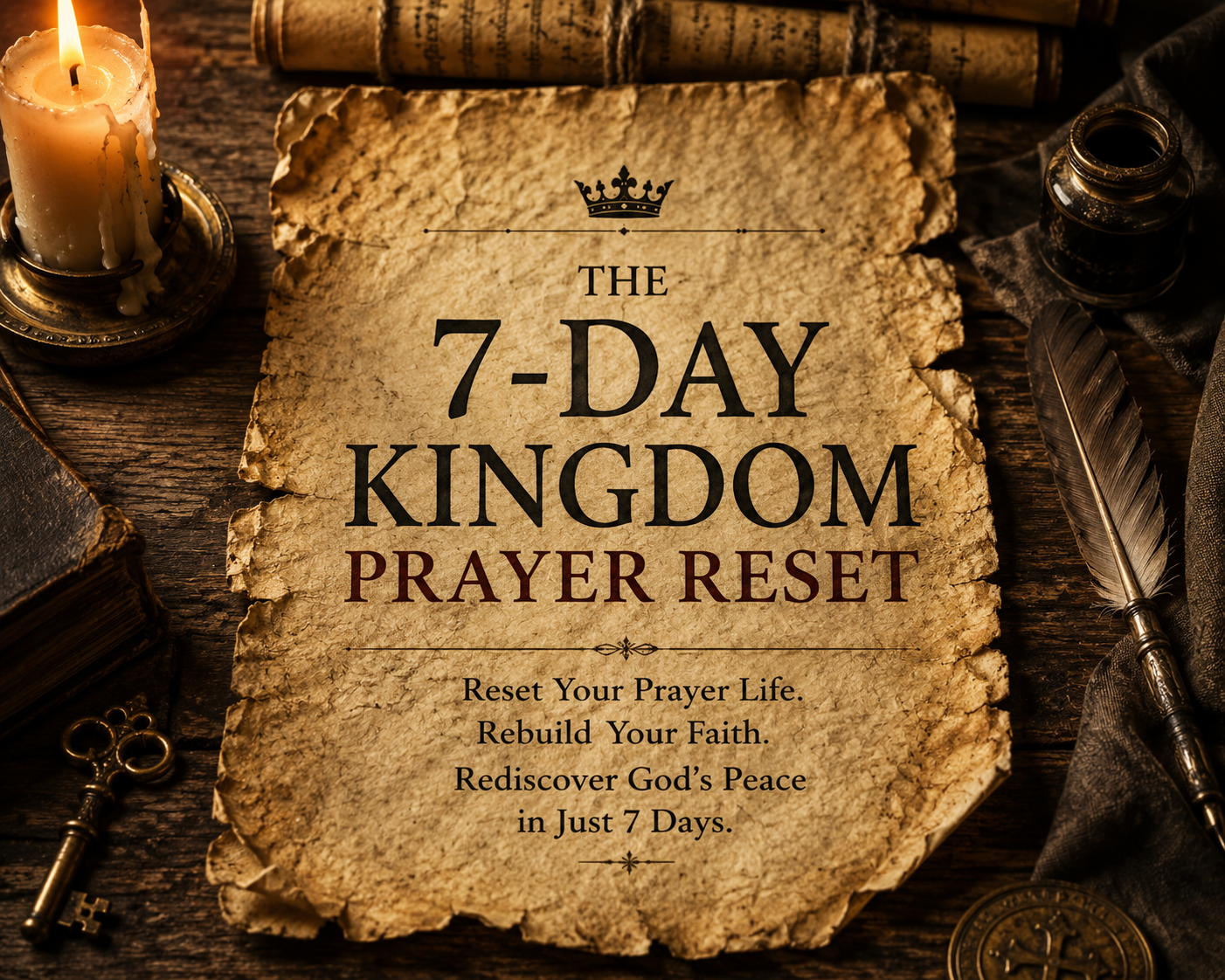
Still praying... but feeling spiritually stuck?
Thousands of Christians have renewed their prayer life through the
7-Day Prayer Reset—a simple, Scripture-based journey
designed to help you reconnect with God in just a few minutes each day.