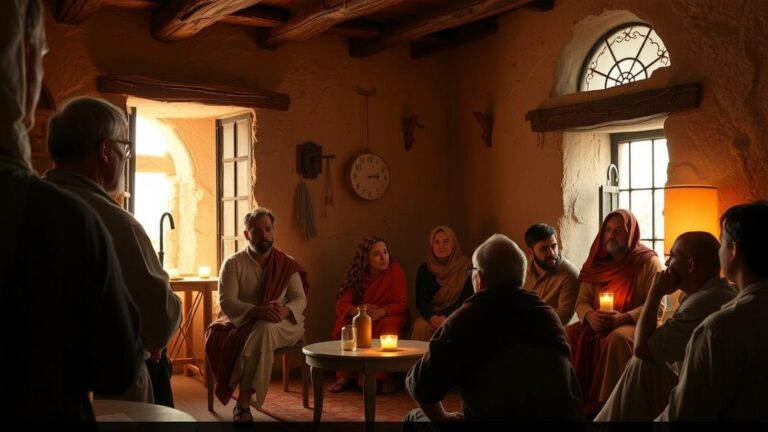
The Book of Philippians is a remarkable letter that holds deep insights and encouragement for believers. Written by the Apostle Paul, this epistle addresses joy, unity, and the challenges of faith. In this article, we will delve into the teachings found in the Book of Philippians and explore how they apply to our lives today.
The Book of Philippians was written during a pivotal time in the early Christian church. It is considered one of the Prison Epistles, written by the Apostle Paul while he was imprisoned, likely in Rome, around AD 61. The Philippian church was established during Paul’s second missionary journey (Acts 16:11-40). This city, located in Macedonia, was a Roman colony and had significant cultural and political importance.
The cultural context of Philippi included a mix of Roman and Greek influences. The citizens prided themselves on their Roman citizenship. This contributed to a unique blend of traditions and lifestyles, which influenced the challenges and dynamics faced by the early believers in Philippi.
The church had a mix of backgrounds, including Jews and gentiles, and faced external pressures from the Roman authorities and internal disagreements among members. Understanding this context helps illuminate Paul’s messages of unity, joy, and perseverance throughout the letter.
Authorship and Purpose of Paul’s Letter
Paul is considered the sole author of the Book of Philippians. He wrote this letter not just out of obligation, but out of deep affection for the Philippian church. His relationship with the congregation was built on mutual love and respect, evident in the tone of the letter.
The main purpose of Paul’s letter was to express gratitude for their support and encouragement during his trials. The Philippians had sent him aid, and this prompted Paul to write to thank them and to offer guidance. He wanted to encourage them to stand firm in their faith and to live lives worthy of the gospel (Philippians 1:27). Additionally, Paul sought to address some emerging conflicts within the church, urging believers to pursue unity and humility.
Key Themes in the Book of Philippians
The Book of Philippians is rich in themes that speak to believers in every generation. Key themes include:
Joy: The theme of joy permeates the letter, with Paul urging the Philippians to rejoice in the Lord always (Philippians 4:4).
Unity: Paul calls for unity among believers, emphasizing that they should be like-minded (Philippians 2:2).
Humility: He highlights the importance of humility and service to others, exemplified by the attitude of Christ (Philippians 2:5-11).
Contempt for Circumstances: Paul shows how true contentment is not dependent on circumstances but rooted in Christ (Philippians 4:11-13).
Joy and Rejoicing in Difficult Times
One of the most profound aspects of Philippians is its emphasis on joy. Despite writing from prison, Paul encourages the Philippians to be joyful. He demonstrates that joy is not merely an emotion related to good circumstances; it is a choice rooted in faith.
Paul uses the word ‘joy’ and similar phrases multiple times throughout the epistle. For instance, he states, “Rejoice in the Lord always; again, I will say, rejoice” (Philippians 4:4). This call to rejoice is particularly noteworthy given the persecution and challenges the Philippians faced. Paul’s teaching underscores the belief that joy is found in the relationship with Christ, not in external circumstances.
The Call to Unity among Believers
In Philippians, Paul underscores the importance of unity within the body of Christ. He addresses disunity occurring in the church between two women, Euodia and Syntyche (Philippians 4:2). He exhorts the Philippians to be of the same mind and spirit, highlighting that unity is not about uniformity but about a shared purpose and love.
Paul emphasizes that unity is essential for spreading the gospel effectively. When the church is united, it can work together to advance God’s Kingdom, offering a strong witness to the world. He encourages believers to look out for one another and to put others’ needs before their own (Philippians 2:3-4), fostering an environment of mutual encouragement and support.
Lessons on Humility and Service
The concept of humility is central to Paul’s teachings in Philippians. He presents Christ as the ultimate model of humility, describing how Jesus, though in the form of God, took on the nature of a servant (Philippians 2:7). Paul exhorts believers to adopt this same mindset, emphasizing the importance of serving others.
The call to humility challenges human tendencies toward pride and self-promotion. Instead, Paul highlights that true greatness comes from serving others. Believers are encouraged to see the needs of those around them and respond with compassion and love. This attitude builds a strong community focused on Christ and each other.
Practical Advice for Christian Living
Throughout Philippians, Paul provides practical advice for Christian living. He encourages believers to:
Focus on the Good: “Whatever is true, honorable, just, pure, lovely, commendable, if there is any excellence, if there is anything worthy of praise, think about these things” (Philippians 4:8).
Seek Peace: He advises them to be anxious for nothing but to bring their requests to God in prayer (Philippians 4:6).
Develop Contentment: Paul shares his secret of contentment, saying he can do all things through Christ who strengthens him (Philippians 4:13).
These pieces of advice are not just theological; they are practical guidelines for everyday living and responses to challenges.
The Importance of Prayer and Thanksgiving
Paul emphasizes the integral role of prayer in the believer’s life. In Philippians 4:6, he instructs believers to present their requests to God through prayer and supplication with thanksgiving. This highlights a balance between requesting God’s help and expressing gratitude.
The act of thanksgiving can transform how readers approach their relationship with God. Recognizing and acknowledging God’s past faithfulness serves as a reminder of His presence in current and future struggles. Paul models this through his own life, showing reliance on God through prayer even during his imprisonment.
Philippians and the Concept of Contentment
Contentment is a significant topic in Philippians, as Paul reflects on the ups and downs of life. He reveals that he has learned to be content in all circumstances, whether in plenty or in need (Philippians 4:11-12). This contentment is a profound lesson for believers, illustrating the importance of relying on Christ rather than material circumstances.
Paul’s declaration that he can do all things through Christ who strengthens him encapsulates the essence of finding strength and satisfaction in Christ alone. For many, achieving contentment in today’s fast-paced, consumer-driven society can be challenging. Philippians offers a powerful reminder that true contentment comes from knowing Christ and trusting Him in every situation.
Living Out the Teachings of Philippians Today
For contemporary believers, the teachings of Philippians remain incredibly relevant. Here are some ways to apply these lessons:
Cultivating Joy: Focus on finding joy in daily life, regardless of external circumstances.
Fostering Unity: Work actively toward resolving conflicts and building unity within your community.
Practicing Humility: Embrace a servant attitude, putting the needs of others first.
Engaging in Prayer: Make prayer a priority in everyday life, combining requests with a spirit of gratitude.
Finding Contentment: Seek to cultivate contentment through dependency on Christ amidst life’s challenges.
In conclusion, the Book of Philippians provides a profound insight into living a Christian life marked by joy, unity, and service. Each lesson can empower believers to lead lives that reflect the character of Christ as they navigate their journeys of faith.
Still praying... but feeling spiritually stuck?
Thousands of Christians have renewed their prayer life through the
7-Day Prayer Reset—a simple, Scripture-based journey
designed to help you reconnect with God in just a few minutes each day.