Have you ever wondered what Ephesians means for modern believers? This often-overlooked book of the Bible offers crucial teachings and guidance. Understanding its themes can deepen your faith and enhance your spiritual journey. In this post, we will explore key insights from Ephesians, revealing how those ancient words still resonate today.
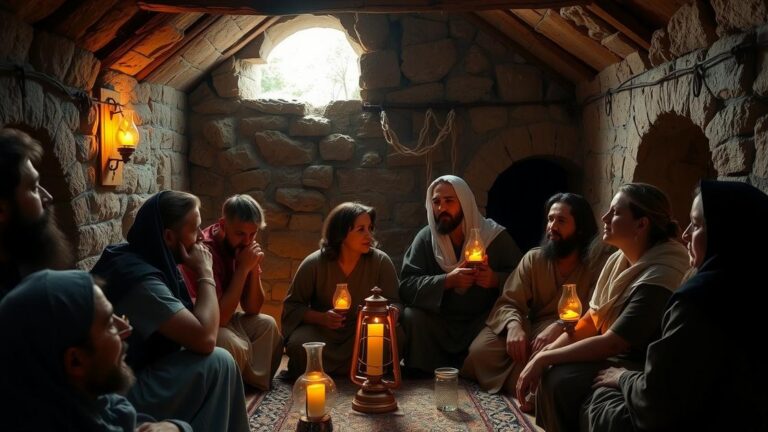
The book of Ephesians is a letter written by the Apostle Paul, believed to have been penned during his imprisonment in Rome around AD 60-62. Understanding the historical backdrop is crucial for grasping the letter’s message. Ephesus, a prominent city in Asia Minor (modern-day Turkey), was a center for trade and religious worship, particularly to the goddess Artemis.
This context reflects the challenges faced by early Christians. Paul addressed both Jewish and Gentile believers, emphasizing unity in Christ amidst cultural diversity. In light of its pagan practices and temptations, the letter encourages believers to stand firm in faith and embrace their identity in Christ.
Key Themes in Ephesians
Ephesians is rich in theological themes. Here are some of the main topics:
Grace and Salvation: Paul emphasizes salvation as a gift of grace through faith, not by works (Ephesians 2:8-9).
The Mystery of the Church: The unity of Jews and Gentiles in one body of Christ is a central theme.
The Role of the Holy Spirit: Paul talks about being sealed with the Holy Spirit as a guarantee of our inheritance.
The Christian Walk: Believers are called to live worthy lives, reflecting God’s love and character.
Understanding Grace and Faith
Grace is a foundational concept in Ephesians. Paul highlights that it is by grace we are saved. This profound truth emphasizes that no one can earn salvation; it is a gift from God through faith. Ephesians 2:8-9 states:
“For by grace you have been saved through faith, and that not of yourselves; it is the gift of God, not of works, lest anyone should boast.”
This teaching is vital for all believers. It reassures us that our standing before God does not depend on our actions but on His mercy and love. Hence, faith becomes our response, trusting in what Christ has accomplished.
The Role of the Church in Ephesians
Paul’s letter discusses the church’s role as the body of Christ. Ephesians 4:12 says that the church exists to equip the saints for the work of ministry. The church is not simply a building; it is a community of believers called to carry out the mission of God. Here are some key points:
Unity: Paul urges the church to maintain unity in the Spirit (Ephesians 4:3).
Diversity of Gifts: Every believer has spiritual gifts for building up the church (Ephesians 4:11-12).
Love and Maturity: The church is called to grow in love and maturity (Ephesians 4:15).
Ephesians and Christian Identity
Understanding one’s identity in Christ is a major theme in Ephesians. Paul begins by stating that believers are chosen, holy, and blameless in God’s sight (Ephesians 1:4). This identity shapes how Christians view themselves and interact with the world. Key aspects include:
New Creation: Believers are new creations in Christ (2 Corinthians 5:17), reflecting their transformed nature.
Citizenship: Paul mentions that believers are fellow citizens with God’s people (Ephesians 2:19).
Adoption: Through Christ, believers are adopted into God’s family (Ephesians 1:5).
Practical Applications from Ephesians
Ephesians is not just theological; it offers practical guidance for daily living. Here are several applications derived from this letter:
Live Authentically: Christians are encouraged to live out their faith genuinely (Ephesians 4:1).
Practice Forgiveness: Just as Christ forgave us, we are called to forgive others (Ephesians 4:32).
Build Healthy Relationships: The letter provides insights for marriage and family dynamics (Ephesians 5:22-6:4).
The Armor of God Explained
In Ephesians 6:10-18, Paul introduces the metaphor of the Armor of God. This imagery depicts the spiritual resources available to believers to withstand spiritual battles. Each piece represents a crucial aspect of faith:
Helmet of Salvation: Protects the mind through the assurance of salvation.
Belt of Truth: Holds everything together. Truth stands as the foundation for our beliefs.
Breastplate of Righteousness: Guards our hearts, reminding us of our righteous standing before God.
Shield of Faith: Protects against doubts and fears. It allows believers to rely on God’s promises.
Sword of the Spirit: The Word of God is effective in spiritual warfare.
Feet Fitted with Readiness: Being prepared to share the gospel.
Ephesians: A Guide for Relationships
The book of Ephesians offers valuable wisdom for all types of relationships. It emphasizes respect, love, and mutual submission. Specific guidelines include:
Marital Relationships: Ephesians 5:22-33 discusses the roles of husbands and wives, highlighting love and respect.
Parent-Child Relationships: Parents are encouraged to raise children in the Lord without provoking them to anger (Ephesians 6:4).
Workplace Dynamics: Paul instructs slaves and masters to treat each other with fairness (Ephesians 6:5-9).
The Influence of Paul’s Writings
Paul’s letters, including Ephesians, have significantly shaped Christian theology and practice. His emphasis on grace, unity, and the church’s role continues to resonate today. His teachings have inspired various movements and discussions throughout church history. Some impacts include:
Theological Foundations: Paul establishes core doctrines that define Christian faith.
Ecclesiology: His teachings on the church shape how congregations view their mission and purpose.
Ethics and Morality: Paul’s guidance on living a moral life informs Christian conduct.
Exploring Ephesians in Today’s World
The teachings in Ephesians remain relevant today. Issues of identity, unity, and community are central to the contemporary church. Here are ways to apply Ephesians in modern contexts:
Fostering Community: Encourage diverse congregations come together in unity.
Promoting Forgiveness: In a world filled with conflict, practicing forgiveness can heal relationships.
Engaging in Spiritual Warfare: Equip believers to recognize and engage in spiritual battles through prayer and scripture.
Still praying... but feeling spiritually stuck?
Thousands of Christians have renewed their prayer life through the
7-Day Prayer Reset—a simple, Scripture-based journey
designed to help you reconnect with God in just a few minutes each day.