Have you ever wondered about the Bible Timeline and how it connects the many events within the scriptures? Understanding this timeline is crucial for grasping the context and significance of biblical narratives. In this article, we will dive deep into the Bible Timeline Explained, exploring key events, characters, and their impact on religious texts.
The Bible timeline is a visual representation of the events and figures in the Bible spaced out over a chronological order. It helps readers understand how different events, characters, and teachings fit into a linear progression of history. A timeline makes it easier to grasp the complex interrelations among different stories and Gods’ plan for humanity throughout the ages.
This concept is essential in studying the Bible as it gives context to the scriptures. It connects various parts of the Bible, illustrating the continuity of God’s message and actions over time. This is particularly important for those wishing to understand biblical history and its significance.
In the Bible timeline, you will find key events categorized by periods, such as:
Creation
The Patriarchs
The Exodus
The Kingdom of Israel
The Conquest of Canaan
The Exile
The Era of the New Testament
Understanding this timeline helps readers appreciate not just the stories themselves but also their place in the broader narrative of faith.
Key Events in the Old Testament
The Old Testament consists of numerous significant events that shape the foundation of biblical history. Some key events include:
Creation (Genesis 1-2): God creates the world and everything in it, culminating in the creation of humans.
The Fall (Genesis 3): The disobedience of Adam and Eve results in humanity’s separation from God.
The Flood (Genesis 6-9): God purges the earth of wickedness through a great flood, saving Noah and his family.
The Call of Abraham (Genesis 12): God calls Abraham to leave his homeland and promises to make him the father of a great nation.
The Exodus (Exodus 12-15): Moses leads the Israelites out of slavery in Egypt, marking a pivotal moment in Jewish history.
The Giving of the Law (Exodus 19-20): God presents the Ten Commandments to Israel, establishing a covenant relationship.
The Entry into Canaan (Joshua 1-4): After wandering for 40 years, the Israelites enter the Promised Land.
These events lay the groundwork for the rest of the biblical narrative, establishing themes of covenant, redemption, and the relationship between God and His people.
The Lives of Major Biblical Figures
Throughout the Bible, various significant figures embody the stories and teachings recorded in the text. Here are a few notable personalities:
Moses: The leader chosen by God to guide the Israelites out of Egypt and through the desert, Moses is a central figure in both Jewish and Christian faiths.
David: The famous king of Israel who united the tribes and is remembered for his deep faith and poetic psalms.
Solomon: Known for his wisdom, Solomon built the First Temple in Jerusalem and wrote several books, including Proverbs and Ecclesiastes.
Isaiah: A major prophet whose writings foretell the coming of the Messiah and provide a message of hope to the Israelites.
Esther: A courageous queen whose story highlights the themes of loyalty and bravery in the face of persecution.
The lives of these figures reflect the ways in which God interacted with His people and reveal important lessons about faith, obedience, and leadership.
The Transition to the New Testament
The transition from the Old Testament to the New Testament marks a significant shift in the biblical narrative. This period includes:
The Prophetic Messages: Prophets like Isaiah and Malachi foretold the coming of a Savior, setting the stage for the New Testament.
The Intertestamental Period: This is the silent period between the two testaments, where God’s people were under foreign rule and facing various challenges.
The Birth of Jesus (Matthew 1-2): The New Testament begins with the miraculous birth of Jesus Christ, fulfilling the prophecies laid out in the Old Testament.
This transition emphasizes the continuity of God’s plan and how the Old Testament sets the framework for the coming of Jesus Christ.
Jesus Christ: The Central Figure in the Timeline
Jesus is the focal point of the Bible timeline. His life, death, and resurrection are pivotal to the Christian faith.
The Ministry of Jesus: For three years, Jesus traveled, teaching, healing, and demonstrating God’s love. His parables and miracles communicate profound truths about the Kingdom of God.
The Crucifixion: Jesus willingly sacrifices Himself on the cross, taking upon Himself the sins of the world. This act is central to Christian theology, illustrating God’s love and redemption.
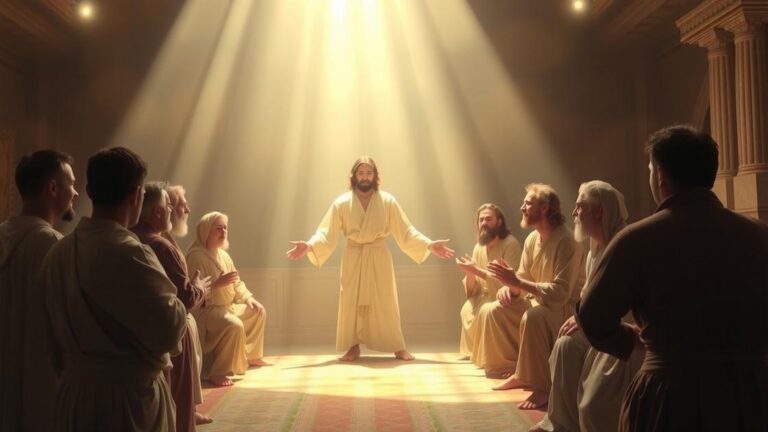
The Resurrection: The resurrection of Jesus three days after His crucifixion is a cornerstone of Christian belief, representing victory over sin and death.
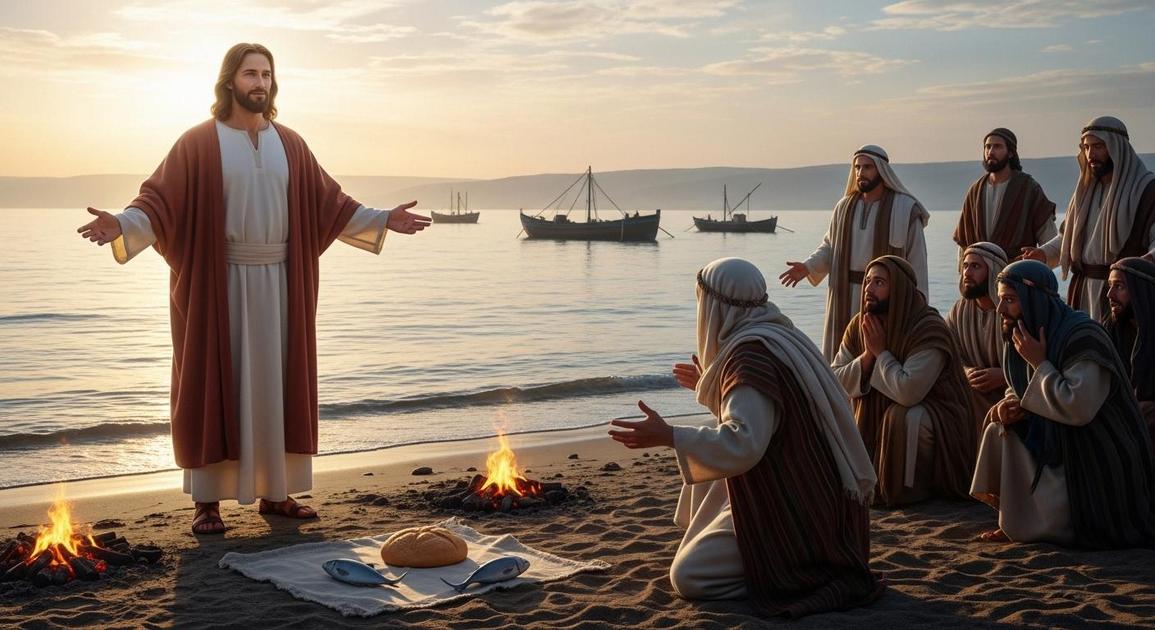
The Great Commission (Matthew 28:16-20): After His resurrection, Jesus commissions His disciples to spread the gospel to all nations.
In understanding the Bible timeline, Jesus is not just a historical figure but the fulfillment of God’s promise to humanity, bridging the gap between the Old and New Testaments.
The Apostolic Age and Its Importance
The period after Jesus’ resurrection and ascension is known as the Apostolic Age, crucial for shaping the early Church.
The Early Church (Acts of the Apostles): The apostles, empowered by the Holy Spirit, begin to preach the gospel, perform miracles, and establish communities of believers.
Key Figures: Apostles like Peter, Paul, and John play significant roles in spreading Christianity throughout the Roman Empire.
Writings of the Apostles: The letters of Paul and other apostles provide foundational teachings and guidance for the early Church.
This era is vital for understanding how the teachings of Jesus were transmitted and interpreted, setting a foundation for Christian beliefs and practices that continue to this day.
Understanding Prophecy and Fulfillment
Prophecy is a significant theme throughout the Bible, providing insight into God’s plan for humanity.
Key aspects include:
Messianic Prophecies: Numerous prophecies in the Old Testament point to the coming of the Messiah, fulfilled in Jesus Christ.
Future Prophecies: The Bible contains messages about future events, including the second coming of Christ and the establishment of God’s kingdom.
Types of Prophecy: Some prophecies are conditional, relying on the actions of people, while others are absolute and will come to pass regardless.
Understanding prophecy enhances our awareness of how God has communicated His will and intentions throughout history, reassuring believers of His sovereign control over events.
Cultural Context During Biblical Times
Cultural context is vital for interpreting the Bible accurately. Consider the following:
Historical Background: Events in the Bible occurred within specific historical contexts that influenced the people and their beliefs.
Geographical Factors: The regions mentioned in the Bible, including Israel, Egypt, and Rome, have unique geographical and cultural characteristics that shape the narratives.
Language and Literary Devices: The original languages of Hebrew and Greek contain nuances that enhance the meanings of texts and convey theological concepts.
This understanding provides depth to biblical passages, making them more relatable and illuminating their significance for readers today.
How the Bible Timeline Influences Modern Faith
The Bible timeline serves not only as a historical reference but also has implications for modern faith:
Strengthening Beliefs: Understanding the chronological context of biblical events can bolster faith by demonstrating God’s faithfulness over time.
Encouraging Spiritual Growth: Exploring biblical history helps believers identify their place within the divine narrative and encourages them to emulate the faith of biblical figures.
Community Building: Discussions around the timeline can foster community as believers gather to learn, share insights, and deepen their understanding of scripture.
This influence underscores the relevance of the Bible and its teachings, distinguishing the journey of faith as one rooted in history yet dynamically applicable today.
Tools for Visualizing the Bible Timeline
Visual aids can enhance understanding of the Bible timeline. Here are some helpful resources:
Timeline Charts: Various books and online resources offer detailed charts that outline major events and figures in chronological order.
Interactive Timelines: Websites and apps allow users to explore biblical events interactively, providing context and multimedia enhancements.
Bible Study Guides: Many guides include timelines as part of their materials, helping readers track significant moments and their implications.
Documentaries and Videos: Visual storytelling through documentaries can provide engaging insights into biblical history and illustrate timelines effectively.
These tools make it easier for individuals and groups to delve into biblical history, fostering a deeper understanding of the timeline and its significance.
Still praying... but feeling spiritually stuck?
Thousands of Christians have renewed their prayer life through the
7-Day Prayer Reset—a simple, Scripture-based journey
designed to help you reconnect with God in just a few minutes each day.