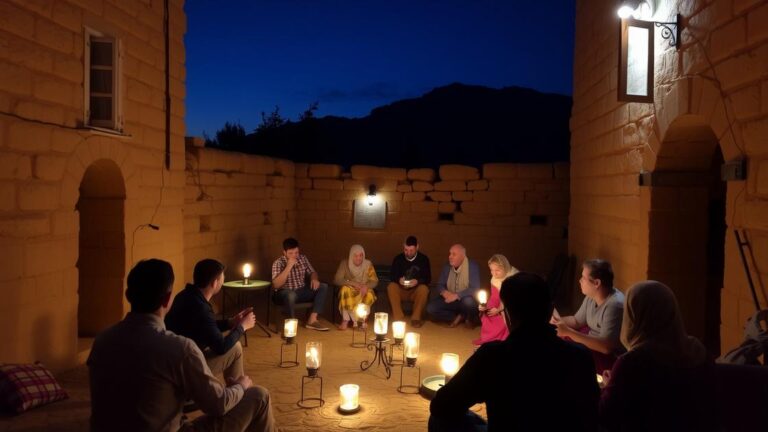

Bible Background Study: Unlocking the Secrets of Scripture
The Bible Background Study is essential for anyone who seeks to deepen their understanding of Scriptures. With historical context, cultural insights, and theological nuances, this study can dramatically transform how we interpret the Bible. In this post, we will explore the significance of a Bible background study, its impact on our faith journey, and why it matters in today’s world.
Understanding Historical Context in the Bible
The Bible is not just a religious text; it is a historical document that reflects the lives, cultures, and events of the time it was written. Understanding the historical context in which the scriptures were composed can unlock profound insights into their meanings.
Historical context includes the geography, politics, and society of ancient peoples. For instance, knowing about the Babylonian exile helps readers comprehend the lamentations in the Psalms and the prophetic books.
Moreover, significant events like the Exodus shape the understanding of themes like deliverance and covenant. By recognizing these historical contexts, one can see the Bible as a living narrative instead of a collection of isolated stories.
Exploring Cultural Influences on Scripture
Cultural backgrounds play a pivotal role in the interpretation of Biblical texts. The ancient Near Eastern culture was rich with practices, beliefs, and societal norms that influenced the writing of the scriptures.
- Mythology: Many ancient cultures had creation myths that shaped their worldview. Understanding these can clarify the unique aspects of Genesis.
- Social Structure: The roles of women and family dynamics found in scripture reflect the social structures of their time, informing modern readers about gender and authority.
- Religious Practices: Ancient sacrificial systems and rituals depicted in the Bible necessitate a study of the cultures surrounding Israel to appreciate their significance.
By engaging with these cultural influences, readers can appreciate the depth and richness of Biblical teaching.
The Role of Archaeology in Bible Studies
Archaeology serves as a bridge between contemporary readers and the past depicted in the Bible. Excavations in places like Jerusalem, Jericho, and Qumran have uncovered artifacts that enhance our understanding of Biblical narratives.
- Material Culture: Tools, pottery, and inscriptions provide insights into daily life during Biblical times.
- Verification of Events: Discoveries can confirm or challenge the historical accounts found in scripture, adding layers to understanding.
- Understanding Geography: Excavations help clarify geographical references in the text, aiding in comprehending the significance of locations mentioned in the Bible.
Through archaeology, readers gain a fuller picture of the context in which Biblical stories unfolded.
Key Theological Themes in Biblical Texts
Identifying and understanding key theological themes is vital for anyone conducting a Bible background study. The Bible conveys a broad spectrum of spiritual truths that can transform readers’ lives.
- Creation and Fall: The narrative of creation and the subsequent fall of humanity lays the foundation for the entire Biblical story of redemption.
- Covenant: The idea of covenant is central, depicting God’s relationship with His people and His promises that transcend generations.
- Salvation: The theme of salvation runs from Genesis to Revelation, culminating in the life and sacrifice of Jesus Christ.
- Kingdom of God: The concept of God’s Kingdom, both present and future, encourages believers to live righteously in anticipation of Christ’s return.
Gaining insights into these themes enhances understanding and allows readers to apply theological concepts to their lives meaningfully.
How to Conduct Your Own Bible Background Study
Engaging in your own Bible background study requires preparation and tools. Here is a step-by-step guide:
- Set Objectives: Decide what you want to learn from your study. Are you focusing on a specific book, character, or theme?
- Research Tools: Utilize commentaries, Bible dictionaries, and historical texts that provide relevant background information.
- Contextual Reading: Read passages in their wider context, considering surrounding chapters and verses to grasp the full message.
- Pray for Understanding: Seek spiritual insight and clarity as you study, inviting the Holy Spirit to guide your learning.
- Take Notes: Document key findings, reflections, and questions as you progress through your study.
This process helps deepen your understanding and appreciation for the scriptures.
Resources for Bible Background Research
Several resources can aid in enhancing your Bible background study:
- Study Bibles: Invest in a well-regarded Study Bible that offers notes and articles on historical and cultural contexts.
- Bible Commentaries: Use specific commentaries for each book of the Bible, as they provide detailed insights and explanations.
- Online Databases: Websites such as Blue Letter Bible and BibleGateway offer access to various translations and resources.
- Academic Journals: Engage with theological and biblical studies journals that present scholarly articles on various topics.
- Documentaries and Lectures: Seek multimedia resources that explore archaeological finds and historical contexts.
Utilizing these resources will augment your study and provide a more comprehensive understanding of the scriptures.
Common Misinterpretations of Biblical Texts
Misinterpretations can arise from ignoring context, culture, and language. Here are some common pitfalls:
- Prooftexting: Taking verses out of context to support a particular argument can distort original meanings.
- Cultural Assumptions: Applying modern cultural perspectives to ancient texts may lead to misunderstandings.
- Ignoring Genre: Each book of the Bible has its own literary style and genre, which must be considered for accurate interpretation.
- Over-Spiritualization: Focusing solely on spiritual meanings while neglecting the historical and cultural background can lead to misreadings.
Awareness of these pitfalls allows readers to approach the text with the care and respect it deserves.
The Importance of Language in Scripture Analysis
Language is crucial to understanding the Bible. The original texts were written mainly in Hebrew, Aramaic, and Greek. Knowing the language enhances comprehension.
- Hebrew Bible: Understanding Hebrew helps to appreciate the nuances of the Old Testament, including poetic structures and wordplay.
- Greek New Testament: Knowledge of Koine Greek provides insights into theological terms and expressions used by the apostles.
- Translation Nuances: Different translations can convey diverse meanings. Engaging with the original language can clarify ambiguities.
Language analysis reveals details that may be lost in translations, enriching the overall study.
Integrating Background Studies into Sermons
For pastors and teachers, integrating background studies into sermons can enhance the message significantly:
- Contextualize Themes: Place sermon themes within their historical and cultural frameworks to provide depth.
- Use Illustrations: Refer to archaeological findings or historical events as illustrations to make points more relatable.
- Engage the Audience: Share interesting facts and insights during sermons to captivate listeners and prompt reflection.
- Encourage Personal Study: Motivate your audience to engage in background studies themselves for deeper spiritual growth.
Integrating these elements can transform a typical sermon into a rich, engaging experience.
The Future of Bible Background Studies
The field of Bible background studies is ever-evolving as new discoveries and methodologies emerge. Future trends may include:
- Technological Advancements: Digital tools for research will continue to grow, providing easier access to resources.
- Interdisciplinary Approaches: Integrating archaeology, history, and linguistics will provide a richer understanding of the scriptures.
- Increased Collaboration: Scholars from various fields may work together more closely to explore Biblical contexts.
- More Accessible Learning: Online courses and resources will make background studies available to a broader audience.
These changes will shape how future generations engage with the Bible and its profound teachings.

Thousands of Christians have renewed their prayer life through the 7-Day Prayer Reset—a simple, Scripture-based journey designed to help you reconnect with God in just a few minutes each day.
Receive a powerful Scripture-based prayer for fear, uncertainty, and difficult moments.
Receive My Free Prayer Free · Instant access · No credit card required