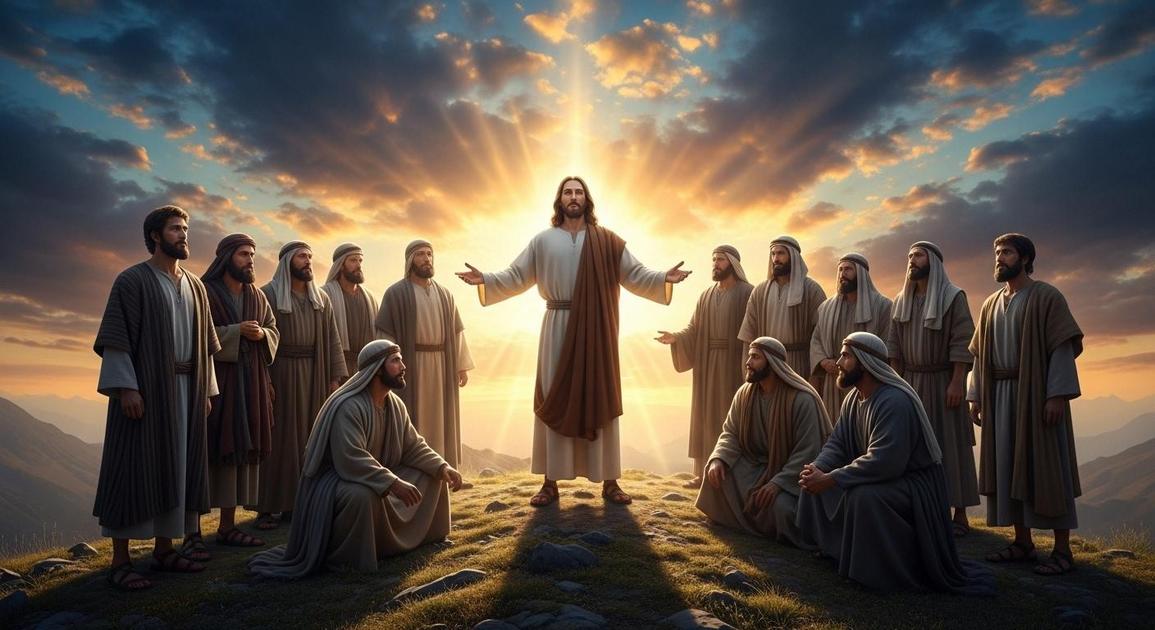
Have you ever pondered the complexities of Messianic prophecies? These prophetic messages hold deep connections to faith and history. In this article, we will explore the various interpretations of these scriptures, their context, and how they relate to today’s understanding of spirituality.
Messianic prophecies are a significant aspect of religious texts, primarily found in Judaism and Christianity. These prophecies have roots in ancient scriptures, highlighting the belief in a future spiritual leader or Messiah who will come to save and guide humanity. The origins of these prophecies date back to texts like the Hebrew Bible, where they are woven into the narratives of various prophets.
Many of these prophetic messages were born in times of crisis or despair. Prophets like Isaiah, Jeremiah, and Micah voiced hopes for redemption and restoration in their respective eras. The context of their messages often reflected the socio-political circumstances of the times, shaping the understanding of what the Messiah would represent.
For instance, the Book of Isaiah (Isaiah 9:6-7) speaks of a child born to lead the people, emphasizing themes of peace and justice. Understanding the historical and cultural context of these texts is crucial to comprehending the significance of Messianic prophecies.
Key Themes Found in Prophetic Texts
Major themes associated with Messianic prophecies include:
Redemption: A central aspect of Messianic expectations is the promise of redemption and salvation for humanity.
Hope: Prophecies often convey a message of hope, assuring believers that a better future awaits.
Justice: Many texts emphasize that the Messiah will administer justice, correcting the wrongs of society.
Divine Intervention: The belief that God Himself will intervene in human affairs through the Messiah is profound in these texts.
Peace: The promise of peace, such as found in Isaiah 2:4, relates to the messianic age, where swords will be turned into plowshares.
Each of these themes shapes the understanding of what the Messiah will bring into the world. They help identify the qualities and actions expected from the anointed one.
The Role of Fulfillment in Messianic Beliefs
Fulfillment plays a vital role in the interpretation of Messianic prophecies. In Christianity, many believers see the life and works of Jesus Christ as the fulfillment of Old Testament prophecies. For example, passages like Micah 5:2, which states that a ruler will come from Bethlehem, are viewed as prophetic references to Jesus’ birthplace.
In Judaism, however, the concept of fulfillment is approached differently. Many Jews believe that the Messiah has yet to come and will fulfill these prophecies in the future. This divergence in understanding highlights a fundamental difference in beliefs regarding the nature and timing of Messianic fulfillment.
Differences in Interpretation Across Religions
Interpretation of Messianic prophecies varies significantly between Judaism and Christianity:
Judaism: Jewish interpretations focus on a future, earthly Messiah who will establish peace, rebuild the Temple in Jerusalem, and gather all Jews back to Israel. Key scriptures often referenced include Ezekiel and Zechariah.
Christianity: Christians primarily interpret Messianic prophecies as fulfilled in Jesus Christ. They see Him as both the divine and earthly Messiah, emphasizing His role in salvation.
This difference leads to a rich tapestry of theological beliefs and debates, influencing culture, literature, and religious practices within both faiths.
Notable Prophecies and Their Historical Context
Several notable Messianic prophecies are fundamental to understanding their historical context:
Isaiah 7:14: This prophecy speaks of a virgin giving birth to a son named Immanuel. In a historical context, it addressed the fears of King Ahaz during an invasion.
Jeremiah 23:5-6: This foretells a righteous branch from David’s lineage, implying a future king. Historically, it arose during periods when Israel was under foreign domination.
Micah 5:2: This predicts the Messiah’s birth in Bethlehem, reflecting the significance of this city as the birthplace of King David.
Each prophecy carries layers of meaning influenced by circumstances at the time of its writing, thus providing depth to the Messianic narrative.
The Impact of Messianic Prophecies on Modern Theology
Messianic prophecies have left an indelible mark on modern theology. They continue to inspire faith, doctrine, and daily practices within religious communities:
Christian Theology: Many doctrines hinge on the belief in Jesus as the fulfillment of Messianic prophecies, increasing the significance of His life, death, and resurrection.
Jewish Thought: In Judaism, discussions about the Messiah shape outlooks on justice, ethics, and social responsibility.
Interfaith Dialogue: Understanding differing perspectives on these prophecies fosters dialogue between Judaism and Christianity, illuminating shared themes while respecting distinct beliefs.
Common Misconceptions About Messianic Predictions
Misunderstandings surrounding Messianic predictions can lead to confusion:
Over-Simplification: Many view Messianic prophecies as straightforward predictions rather than complex narratives needing contextual interpretation.
Singular Interpretation: The belief that there is only one way to understand these texts ignores the rich diversity of interpretations across traditions.
Neglecting Historical Context: Ignoring the socio-political backdrop during the time of writing can lead to misinterpretations.
Addressing these misconceptions contributes to a more nuanced understanding of Messianic prophecies.
How Scholars Analyze Prophetic Literature
Scholars employ various methods to analyze prophetic literature:
Textual Criticism: This involves examining the text’s historical manuscripts to trace its origin, variant readings, and authenticity.
Contextual Analysis: Understanding the socio-political environment when prophecies were written helps illuminate their meanings.
Comparative Studies: Comparing similar themes in different religious texts can shed light on shared beliefs and diverging interpretations.
These scholarly approaches deepen our understanding of the complexities within Messianic texts.
The Significance of Timing in Prophetic Messages
Timing is a crucial element in Messianic prophecies. Prophetic messages often address specific historical moments, aiming to offer hope or guidance during turmoil:
Immediate Fulfillment: Some prophecies had a near-term fulfillment that encouraged faith among contemporaries.
Future Fulfillment: Many prophecies are viewed as pointing to a distant future, fueling expectation and hope for generations.
Dual Fulfillment: Some scholars propose the idea of a dual fulfillment, where prophecies apply both to historical events and future expectations.
This emphasis on timing significantly impacts how followers relate to these texts and their expectations for the future.
A Future Perspective: Messianic Prophecies Today
Today, Messianic prophecies remain relevant to many. Various religious groups continue to explore their significance:
Judaism: Discussions about the coming of the Messiah are ever-present, influencing socio-political discourse, especially in Israel.
Christianity: Many Christians live with an expectation of Christ’s second coming, interpreting contemporary events through the lens of prophecy.
Interfaith Understanding: As global dialogue increases, recognizing shared Messianic themes encourages collaboration among different faith traditions.
This ongoing relevance underscores the importance of Messianic prophecies in shaping spiritual beliefs and practices today.
Still praying... but feeling spiritually stuck?
Thousands of Christians have renewed their prayer life through the
7-Day Prayer Reset—a simple, Scripture-based journey
designed to help you reconnect with God in just a few minutes each day.