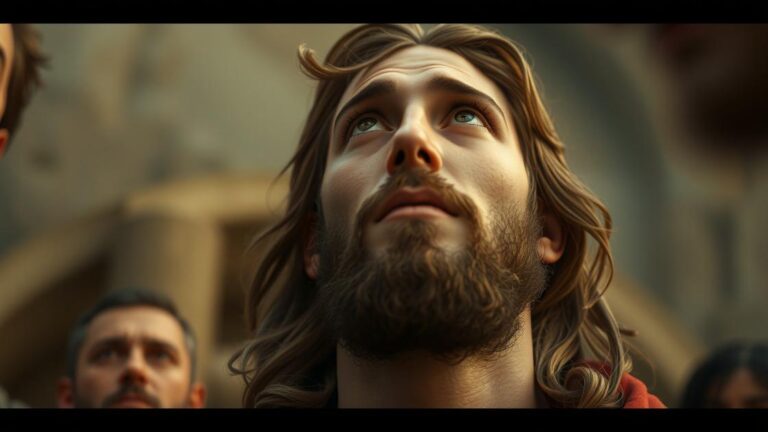
Have you ever wondered how Messianic Prophecies Explained can shed light on our understanding of faith? These ancient predictions have intrigued believers and scholars alike. In this article, we will delve into the essence of these prophecies, their historical context, and what they signify for our spiritual journey today.
Messianic prophecies refer to the predictions found in the Hebrew Bible that foretell the coming of a Messiah, a savior or liberator. These prophecies are significant in both Judaism and Christianity, as they outline various attributes and actions expected of the Messiah.
The concept of a Messiah is rooted in the idea of hope, redemption, and salvation. Many of these prophecies describe an individual who will bring peace, restore Israel, and establish God’s kingdom on Earth. Understanding these prophecies requires careful examination of the texts and their meanings.
Historical Context of the Prophecies
To fully grasp the significance of Messianic prophecies, it is essential to consider their historical context. Many prophecies emerged during times of turmoil, such as the Babylonian exile or foreign oppression. For instance, during the Assyrian invasion, Isaiah prophesied about a coming ruler who would bring peace (Isaiah 9:6-7).
Additionally, the historical events reflected in these prophecies often influenced their interpretation. The Jews faced hardships and longed for a savior who would liberate them from oppression, shaping the expectations surrounding the Messiah.
Major Messianic Prophecies in the Scriptures
Several key scriptures detail Messianic prophecies. Here are some of the most significant:
Isaiah 7:14: This verse states that a virgin will conceive and bear a son named Immanuel, meaning “God with us.”
Isaiah 9:6-7: It describes a child who will be born to us, and the government will be on his shoulders, emphasizing his role as a leader.
Micah 5:2: This verse predicts the birthplace of the Messiah as Bethlehem.
Zechariah 9:9: It proclaims the arrival of a king who is righteous and humble, riding on a donkey.
Jeremiah 23:5-6: It speaks of a righteous Branch who will reign wisely and execute justice.
The Impact of Messianic Prophecies on Judaism
In Judaism, Messianic prophecies play a vital role in shaping beliefs about the future. The Jewish expectation of the Messiah includes several key elements, such as:
Restoration of Israel: Many Jews believe the Messiah will restore Israel to its rightful place and gather all Jewish people.
Peace in the World: The Messiah is expected to bring universal peace and harmony among nations.
Fulfillment of Biblical Promises: The prophecies represent the ultimate fulfillment of God’s promises to His people.
These beliefs still influence Jewish thought, identity, and religious practice today.
How Christianity Interprets These Prophecies
Christianity interprets Messianic prophecies differently. Christians believe that these prophecies are fulfilled in the life and mission of Jesus Christ. The New Testament frequently references old prophecies to emphasize Jesus’s role as the Messiah. For instance:
Matthew 1:22-23: This passage references Isaiah’s prophecy regarding the virgin birth, affirming Jesus’ identity as the prophesied Messiah.
Luke 4:18-21: Jesus reads from Isaiah, declaring that the scripture is fulfilled in Him.
For Christians, recognizing Jesus as the Messiah shapes their understanding of salvation and Christian faith.
Fulfillment of Prophecies in the New Testament
The New Testament contains specific accounts that Christians believe demonstrate the fulfillment of Messianic prophecies. Here are a few notable examples:
Birth in Bethlehem: Matthew 2:1-6 recounts the Magi visiting Jesus and references Micah’s prophecy about Bethlehem.
Triumphal Entry: The event of Jesus riding into Jerusalem on a donkey fulfills Zechariah 9:9.
Suffering Servant: Isaiah 53 describes suffering, death, and resurrection, which Christians link to Jesus’s crucifixion.
These fulfillments form the foundation of New Testament theology, affirming the belief that Jesus is the awaited Messiah.
The Role of Prophets in Delivering Messages
Prophets play a significant role in delivering Messianic prophecies. The Hebrew Bible mentions various prophets, such as Isaiah, Jeremiah, and Micah, who conveyed God’s messages regarding the future. Understanding their context and the audience they addressed helps in interpreting prophecies.
Many prophets emphasized the importance of repentance and faithfulness to God. Their messages were not merely about predicting a future figure but were also calls to return to God during times of moral decline.
Common Misconceptions about Messianic Prophecies
Several misconceptions exist regarding Messianic prophecies. Recognizing these can enhance our understanding:
Only One Person: Some believe all prophecies point to a single individual, but interpretations can vary. Many Jews await multiple messengers, while Christians see fulfillment in Jesus.
Immediate Fulfillment: Not all prophecies are meant to be understood as immediate. Some may refer to both past events and future expectations.
Political Savior: Many expect a military leader, but Biblical prophecies portray a spiritual savior focused on repentance and reconciliation.
The Importance of Messianic Prophecies Today
Messianic prophecies remain significant today for various reasons:
Building Faith: Many believers find strength and assurance in the promises contained within these prophecies.
Encouragement: In times of distress, prophecies serve as reminders of hope and future restoration.
Interfaith Dialogue: Understanding these prophecies fosters meaningful discussions between Judaism and Christianity.
Future Implications of the Prophecies
The future implications of Messianic prophecies are substantial for both Judaism and Christianity. For Jews, the expectation remains that the Messiah will come and fulfill the promises made in the Torah. For Christians, the anticipation is centered on Jesus’ second coming, where he will establish God’s kingdom fully.
As discussions around prophetic fulfillment continue, they influence religious beliefs and shape the theological landscape. Both faiths find hope in the promises of a future Messianic figure who brings about ultimate peace and reconciliation.
Still praying... but feeling spiritually stuck?
Thousands of Christians have renewed their prayer life through the
7-Day Prayer Reset—a simple, Scripture-based journey
designed to help you reconnect with God in just a few minutes each day.