Have you ever wondered what makes the Romans so captivating? Their stories of power, innovation, and culture have influenced our world profoundly. In this article, we will explore the essence of Romans and uncover the lessons they left behind, from their political strategies to their architectural marvels. Understanding the Romans can provide insight into modern life and challenges.
The Roman Republic was established in 509 BC after the overthrow of the last king of Rome, Tarquin the Proud. It marked a significant shift in governance, moving from monarchy to a system where elected officials held power. This period saw the development of a complex political structure.
During the early Republic, power was primarily in the hands of the patricians, the wealthy elite. However, the plebeians, who made up the vast majority of the population, fought for their rights over centuries. The Conflict of the Orders was a struggle between these two social classes that led to reforms, such as the creation of the office of the Tribune of the Plebs, enabling plebeians to have a voice in government.
Key events in the Republic’s rise included:
The Punic Wars: A series of three wars against Carthage (264-146 BC) that established Rome as a dominant Mediterranean power.
Expansion: Rome expanded its territory significantly, conquering Greece and parts of North Africa and Asia.
Internal Struggles: Civil wars and power struggles emerged, leading to the rise of influential generals like Julius Caesar.
Famous Roman Figures and Their Impact
Many individuals shaped Roman history and left significant legacies:
Julius Caesar: A military general and statesman whose actions led to the demise of the Republic and the rise of the Empire. He initiated the calendar reform known as the Julian Calendar.
Augustus: The first Roman Emperor and the grandnephew of Caesar. He established a period of relative peace known as the Pax Romana.
Cicero: An orator and philosopher, Cicero’s works on rhetoric and law have influenced the development of Western thought.
Cleopatra: Although Egyptian, her political alliance with Julius Caesar and later Mark Antony significantly affected Roman politics.
Roman Innovations that Changed the World
Innovation was key to Rome’s success. Notable contributions included:
Concrete: The Romans perfected the use of concrete, allowing for durable and monumental constructions, such as the Pantheon.
Aqueducts: They built extensive aqueduct systems to supply cities with fresh water, showcasing advanced engineering.
Roads: The extensive road network facilitated trade and military movement, epitomized by the saying, “All roads lead to Rome.”
Law: Roman law laid the foundation for legal systems around the world, influencing civil law traditions.
The Legacy of Roman Architecture
Roman architecture left lasting impacts visible today:
Corinthian Columns: The use of grand columns influenced Western architectural styles, especially during the Renaissance.
Amphitheaters: Structures like the Colosseum set standards for public entertainment venues.
Domes: The development of the dome allowed for expansive interior spaces in structures such as the Pantheon.
Daily Life in Ancient Rome
Life in ancient Rome was diverse and complex:
Social Structure: Roman society was hierarchical, ranging from wealthy patricians to poor plebeians and enslaved individuals.
Food and Dining: Meals varied by social class, with wealthy Romans enjoying extravagant feasts while the poor subsisted on grains and vegetables.
Education: Education was valued, particularly for boys, who learned rhetoric, literature, and mathematics.
Entertainment: Romans enjoyed games, theater, and chariot races, fostering a vibrant public life.
Roman Military Strategies Explained
The Roman military was renowned for its effectiveness:
Legions: The basic unit of the Roman army, legions were composed of 4,000 to 6,000 soldiers, known for their discipline and training.
Strategic Use of Terrain: Roman generals adeptly utilized the landscape to ambush enemies and protect their formations.
Innovative Tactics: The Romans employed formations like the testudo, a shield configuration for protection.
Naval Power: They developed naval strategies during the Punic Wars, showcasing adaptability.
Cultural Influences of the Romans
Roman culture has influenced art, literature, and governance:
Architecture: Roman designs reinvigorated Greek styles, leading to neoclassical architecture observed today.
Language: Latin, the language of Rome, serves as the foundation for many modern languages, including Spanish, French, and Italian.
Mythology: Roman mythology borrowed heavily from Greek counterparts, introducing a rich tapestry of gods and legends.
Law and Governance: Principles of Roman governance continue to inform modern democratic systems.
The Fall of the Roman Empire
The decline of the Western Roman Empire was complex and multi-faceted:
Barbarian Invasions: Invasions by groups such as the Visigoths and Vandals weakened Roman territories.
Economic Decline: Inflation and reliance on slave labor undermined economic stability.
Political Corruption: Ineffective and corrupt leadership contributed to governmental instability.
Cultural Division: The split between Eastern and Western Rome created disparate identities, weakening unified rule.
Lessons from Roman Governance
Roman governance provides several lessons applicable today:
Checks and Balances: The Roman Republic showed the importance of balancing power among branches of government.
Citizen Participation: Encouraging public participation in governance fosters engaged and informed communities.
Legal Frameworks: Establishing clear laws and rights is essential for functional governance.
How Romans Shaped Modern Society
The influence of Rome is evident in various aspects of modern life:
Legal Systems: Many judicial systems today are based on Roman legal principles.
Language and Literature: The structure of modern languages reflects Latin roots, shaping communication.
Urban Planning: Cities are often designed with inspiration from Roman town layouts and public spaces.
Engineering and Architecture: Modern engineering practices continue to draw from Roman innovations.
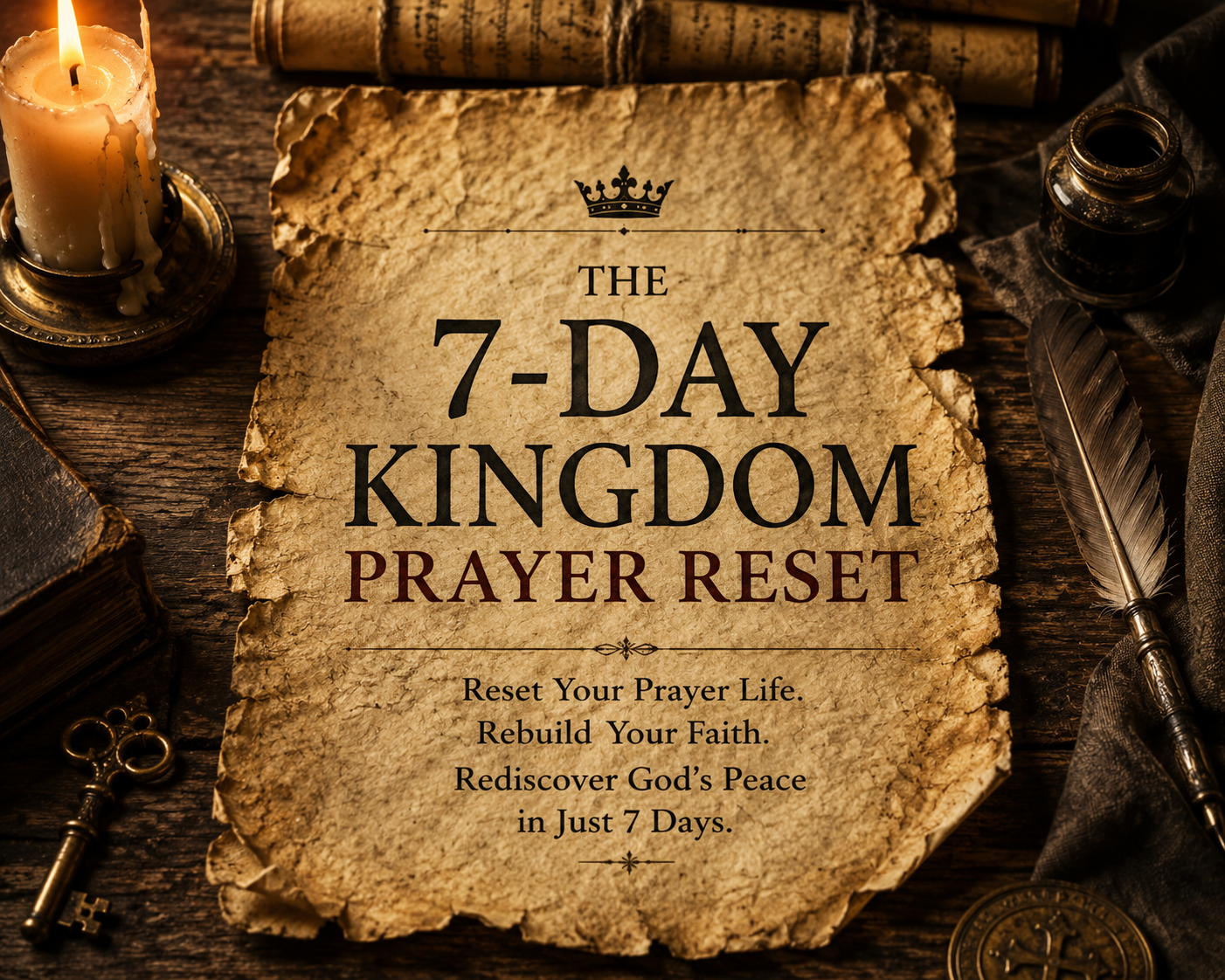
Still praying... but feeling spiritually stuck?
Thousands of Christians have renewed their prayer life through the
7-Day Prayer Reset—a simple, Scripture-based journey
designed to help you reconnect with God in just a few minutes each day.