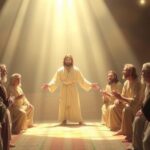
The Ancient Israel Study of Psalm 21 offers profound insights into spirituality and leadership. Many readers seek to understand the Psalm’s significance in the context of ancient Hebrew culture. In this article, we will delve into its themes, historical background, and impact on modern faith practices.
Psalm 21 is a royal psalm, which implies its connection to kingship and the monarchy in ancient Israel. This psalm is traditionally attributed to David and celebrates the king’s victory and relationship with God. Understanding the historical context in which this psalm was composed is important in grasping its significance.
During the time of David, Israel was establishing itself as a nation. The political landscape was marked by conflict and warfare with surrounding nations. Psalm 21 reflects the struggles and triumphs of leadership during this turbulent time. David’s victories were often seen as a reflection of divine favor.
This psalm was likely sung during royal ceremonies, such as coronations and military victories, highlighting the importance of the king’s relationship with God. It served to encourage the people and the leaders, reinforcing the idea that the sovereignty of the king was ordained by God.
Key Themes in Psalm 21
Psalm 21 is rich with themes that resonate deeply within the context of faith and leadership. Some of the key themes include:
Victory: The psalmist praises God for granting the king victories over his enemies.
Divine Favor: It emphasizes the idea that the king’s success is a result of the favor and blessings from God.
Joy and Celebration: The psalm expresses joy not only for the king’s triumph but also for the well-being of the nation.
Prayer and Intercession: The importance of prayer in seeking God’s support for the monarchy is highlighted.
Strength and Protection: There is a strong emphasis on divine protection over the king and the kingdom.
The Role of Psalms in Ancient Israel
Psalms played a critical role in the worship practices of ancient Israel. These songs were not merely poetic expressions; they were essential for:
Public Worship: Psalms like Psalm 21 would have been used in public worship settings, reinforcing communal faith.
Private Reflection: Individuals would also recite or sing these psalms as a method of personal reflection and prayer.
Liturgical Functions: Many psalms were incorporated into various religious ceremonies, celebrating key events in the Jewish calendar.
Teaching and Remembrance: They served as a means of transmitting beliefs and history, ensuring the community remembers God’s deeds.
Spiritual Lessons from Psalm 21
Psalm 21 imparts several spiritual lessons that remain relevant today:
Trust in God: The psalm teaches that trust in God’s sovereignty is crucial for success and protection.
Joy in God’s Blessings: Acknowledging and celebrating the blessings in our lives fosters a spirit of gratitude.
Leadership Responsibility: It highlights the responsibility of leaders to seek divine guidance in their decisions.
Power of Prayer: The significance of prayer as a tool for seeking support and intercession is emphasized.
Psalm 21 and Modern Interpretations
Modern interpretations of Psalm 21 often reflect contemporary issues of leadership, authority, and divine justice. Scholars analyze this psalm through various lenses:
Historical Criticism: Examining the psalm’s historical context sheds light on its purpose and function in ancient Israel.
Theological Perspectives: The psalm continues to be a source for discussions on God’s role in leadership and governance.
Literary Analysis: The structure and literary devices used in the psalm are explored to enhance understanding of its message.
Comparative Studies: Comparisons with other royal psalms highlight themes of monarchy across different cultures and religions.
Liturgical Use of Psalm 21
The liturgical use of Psalm 21 in ancient Israel demonstrates its significance in worship and communal life:
Coronation Rites: It was likely recited during royal ceremonies to invoke divine blessing.
Festival Worship: The psalm could have been used in festive gatherings and celebrations of national identity.
Military Contexts: Psalms were often invoked before and after battles to seek God’s favor and support.
Daily Devotion: Recitation of psalms was a common practice among worshippers for personal devotion.
Comparative Analysis with Other Psalms
Psalm 21 can be compared with other psalms to enhance understanding:
Psalm 20: This psalm precedes Psalm 21 and serves as a plea for divine assistance for the king.
Psalm 2: Focuses on God’s anointed king and the assurance of divine support against adversaries.
Psalm 72: A vision of a just king, linking the themes of leadership with righteousness and peace.
Psalm 110: Addresses the role of the king as a priest, reinforcing the intertwining of spiritual and political authority.
The Significance of Kingship in Psalm 21
In ancient Israel, kingship was a divinely sanctioned role, and Psalm 21 encapsulates this concept:
Divine Mandate: The king’s authority is rooted in God’s appointment, making his success synonymous with divine favor.
National Identity: The psalm reflects the collective identity of Israel under divine leadership, reinforcing unity.
Accountability: Kings were accountable to God, a theme captured in the prayers for guidance and protection.
Symbol of Hope: The psalm represents hope for the nation, reminding them that their king represents them before God.
Impact of Psalm 21 on Jewish Prayer
Psalm 21 has significantly influenced Jewish prayer traditions:
Daily Prayers: Elements of Psalm 21 can be found in daily prayers that request divine guidance and intervention.
Festive Occasions: The psalm may be recited during significant religious festivals, enhancing communal worship.
Reflective Practice: Individuals often personalize the themes of the psalm in their daily reflections and prayers.
Inspiration for Future Generations: The psalm serves as a model for modern prayers, emphasizing faith and reliance on God’s assistance.
Exploring the Language and Imagery in Psalm 21
The language and imagery in Psalm 21 evoke strong feelings and paint a vivid picture:
Metaphors of Strength: Imagery related to strength and might symbolizes divine power supporting the king.
Joyful Exclamations: The joy and celebration in the text express the emotional connection between the king and the people.
Divine Protection: The language used to describe God’s shelter reflects the nurturing relationship between God and Israel.
Visual Representation: The psalm uses visual language that allows readers to imagine the grandeur of the king’s triumphs.
Still praying... but feeling spiritually stuck?
Thousands of Christians have renewed their prayer life through the
7-Day Prayer Reset—a simple, Scripture-based journey
designed to help you reconnect with God in just a few minutes each day.